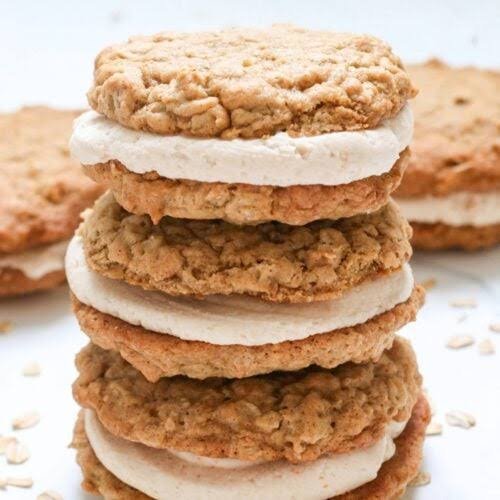
This recipe brings back sweet childhood memories with a fresh and delightful homemade twist. If you have ever enjoyed classic packaged oatmeal cream pies from the store, you already know how delicious that combination of soft spiced oat cookies and fluffy vanilla cream can be. Today, we are taking that classic treat and making it even better by using leftover sourdough discard. Many people who bake sourdough bread at home end up throwing away extra sourdough starter every single week during the feeding process. Instead of letting that precious cultured flour go to waste in the trash, you can use it to create amazing baked goods that have a deep, rich flavor and a wonderful soft texture. These homemade sourdough discard oatmeal cream pies are soft, chewy, slightly tangy, and filled with a smooth, sweet buttercream filling that makes every bite feel like a warm hug.
People all over the world absolutely fall in love with this recipe the very first time they try it in their own kitchens. The main reason for this love is the incredible balance of textures and flavors that you simply cannot find in mass produced store bought snacks. The sourdough discard adds a subtle depth of flavor that offsets the sweetness of the sugar and maple syrup, preventing the cookies from tasting overly sugary or heavy. The rolled oats give the cookies a hearty structure and a nice chewiness, while warm cinnamon and nutmeg bring a cozy spice aroma to your entire house while they bake in the oven. Kids love them because they taste like a fun party treat, and adults love them because they bring back fond memories while offering a much higher quality ingredient list without any artificial preservatives, synthetic dyes, or hydrogenated oils.
You can make these amazing cream pies whenever you want to bring joy to your family, celebrate a cozy weekend morning, or clear out your refrigerator after a week of bread baking. They are perfect for afternoon tea time, school lunchboxes, holiday gatherings, family picnics, or even as a post workout snack when you want a hearty blend of whole grain oats and wholesome homemade energy. Baking these treats is also a wonderful way to practice mindful kitchen habits by reducing food waste. Turning simple leftover sourdough starter into a luxurious dessert gives you a great sense of accomplishment and culinary creativity. Beyond the pure comfort and emotional warmth they bring, using fermented sourdough discard can also make the grains easier on your stomach, making this a smart choice for anyone who wants a gentle treat that feels good to eat.
Whether you are an experienced sourdough baker looking for new discard ideas or a complete beginner who just started a starter on your counter, this recipe is designed to be smooth, straightforward, and totally stress free. You do not need any fancy bakery equipment or advanced baking techniques to get a perfect result on your very first try. All you need are basic kitchen supplies like a hand mixer, mixing bowls, baking sheets, and simple ingredients that you likely already have sitting in your pantry. By following a few easy steps, you will learn how to make a cookie dough that bakes up evenly, holds its shape, and stays wonderfully soft for days. Let us dive right into the simple ingredients you will need to gather before we start mixing our delicious homemade batch today.
Ingredients You Will Need
To make these delicious sourdough discard oatmeal cream pies, gather the following ingredients in your kitchen:
For the Oatmeal Cookies:
-
1 cup or 225 grams softened unsalted butter
-
1 cup or 200 grams packed light brown sugar
-
0.5 cup or 100 grams granulated white sugar
-
1 large egg at room temperature
-
1 teaspoon vanilla extract
-
0.5 cup or 120 grams unfed sourdough discard at room temperature
-
1.5 cups or 180 grams all purpose flour
-
1 teaspoon baking soda
-
1 teaspoon ground cinnamon
-
0.25 teaspoon ground nutmeg
-
0.5 teaspoon sea salt
-
3 cups or 270 grams old fashioned rolled oats
For the Fluffy Cream Filling:
-
0.75 cup or 170 grams softened unsalted butter
-
2.5 cups or 300 grams powdered sugar
-
1 tablespoon heavy cream or milk
-
1 teaspoon pure vanilla extract
-
1 pinch of fine sea salt
Step by Step Method
Making these sourdough discard oatmeal cream pies is simple and fun. Follow these detailed steps to achieve perfect results.
Preparing Your Kitchen and Tools:
Start by turning on your oven so it can warm up to 350 degrees Fahrenheit or 175 degrees Celsius. Line two large baking sheets with parchment paper or silicone baking mats so the cookies will not stick to the pan while baking. Set these sheets aside on your counter. Take out your butter and eggs about 30 minutes before baking so they can reach room temperature, which helps them combine smoothly into the batter.
Mixing the Wet Cookie Ingredients:
In a large mixing bowl, add the softened unsalted butter, packed light brown sugar, and granulated white sugar. Use an electric hand mixer or a stand mixer fitted with a paddle attachment to beat the butter and sugars together on medium speed for about 2 to 3 minutes until the mixture looks pale, fluffy, and creamy. Next, crack in the room temperature egg and add the vanilla extract. Beat again on low speed until combined. Scrape down the sides of your bowl with a rubber spatula. Now add the unfed sourdough discard to the bowl and mix gently until fully incorporated into the wet creamed mixture.
Combining the Dry Ingredients:
In a separate medium sized bowl, whisk together the all purpose flour, baking soda, ground cinnamon, ground nutmeg, and sea salt until well mixed. Pour these dry ingredients into the large bowl containing your wet butter mixture. Turn your mixer to low speed and mix just until the flour disappears into the dough. Be careful not to overmix at this point, as overmixing can make your baked cookies tough instead of tender. Fold in the old fashioned rolled oats using a wooden spoon or spatula until the oats are evenly distributed throughout the dough.
Scooping and Baking the Cookies:
Use a medium cookie scoop or a standard tablespoon to drop uniform balls of dough onto your prepared baking sheets, leaving about 2 inches of space between each dough ball so they have room to spread. Press down gently on the top of each dough ball with your fingers or the back of a spoon to flatten them slightly into rounded disks. Place the baking sheets into your preheated oven and bake for 10 to 12 minutes. The cookies are done when the edges look light golden brown while the centers still appear soft and slightly underbaked. Remove the sheets from the oven and let the cookies rest on the hot pan for 5 minutes before carefully transferring them to a wire rack to cool completely.
Whipping Up the Cream Filling:
While your baked cookies are cooling down on the wire rack, prepare the sweet cream filling. In a clean mixing bowl, beat the softened unsalted butter on medium high speed for about 2 minutes until it becomes light, smooth, and creamy. Gradually add the powdered sugar, half a cup at a time, mixing on low speed after each addition so the sugar does not blow out of the bowl. Once all powdered sugar is added, pour in the heavy cream, pure vanilla extract, and a small pinch of fine sea salt. Turn the mixer up to medium high speed and whip the frosting for another 2 to 3 minutes until it becomes ultra fluffy, smooth, and holds soft peaks.
Assembling Your Cream Pies:
Make sure your cookies are completely cool to room temperature before adding the filling, otherwise the butter in the cream will melt. Match up your cookies into pairs of similar sizes and shapes. Turn one cookie upside down so the flat bottom is facing up. You can scoop a generous tablespoon of cream filling onto the center of the bottom cookie or use a piping bag to pipe a neat swirl of cream. Take the second matching cookie and press its flat bottom gently on top of the cream filling until the filling spreads out toward the outer edges. Repeat this process for all remaining cookies. Serve immediately or store them for later enjoyment.
Why This Recipe Is Special
This recipe stands out from ordinary cookie recipes for several wonderful reasons that combine taste, texture, and everyday practical benefits. First and foremost, incorporating sourdough discard elevates the overall flavor profile significantly. Plain oatmeal cookies can sometimes taste overly sweet or plain, but the natural fermentation notes from the discard add a pleasant complexity that balances the rich butter and warm spices beautifully. The acid present in the sourdough discard also reacts with the baking soda, creating a lovely rise that yields a thick, soft, and pillowy center with perfectly crisp outer edges.
From a health and nutrition perspective, using whole rolled oats as the primary grain component brings a good amount of dietary fiber to your homemade snacks. Rolled oats contain beta glucan, a soluble fiber known for supporting healthy digestion, maintaining steady energy levels, and keeping you feeling full for longer periods. Unlike commercial store bought snack cakes that rely on high fructose corn syrup, artificial flavors, hydrogenated palm oils, and chemical preservatives to stay soft on store shelves, this homemade version uses real whole food ingredients like real butter, pure vanilla, brown sugar, and traditional oats. You have complete control over every single ingredient entering your body.
Additionally, this recipe offers an eco friendly approach to home baking by reducing food waste in your kitchen routine. Throwing away unused sourdough starter can feel wasteful over time, but finding fun recipes that utilize cold discard straight from the fridge makes your baking routine far more sustainable and economical. The result is a delightfully soft cream pie that satisfies your sweet cravings while providing real fuel, warm spices, and a comforting texture that appeal to people of all ages.
Extra Tips for Better Taste
Here are a few simple and creative tips to take your homemade oatmeal cream pies to an even higher level of deliciousness:
-
Toast Your Rolled Oats: Before adding the oats to your dough, spread them out on a baking sheet and bake them at 350 degrees Fahrenheit for 6 to 8 minutes until they smell warm and nutty. Let them cool before mixing them into the batter for an extra layer of rich flavor.
-
Brown the Butter: You can brown half of the butter used in the cookie dough by melting it in a saucepan over medium heat until it foams and turns a golden amber color with a nutty aroma. Let it cool back down to room temperature before creaming it with the sugars.
-
Chill the Dough: If you have extra time, place your mixed cookie dough in the refrigerator for 30 minutes to an hour before baking. Chilling the dough allows the oats to absorb moisture from the sourdough discard and liquid ingredients, resulting in a thicker, chewier cookie that holds its shape exceptionally well in the oven.
-
Try Flavor Variations in the Cream: Add half a teaspoon of ground cinnamon or a teaspoon of pure maple syrup directly into your vanilla cream filling for a cozy spiced twist that complements the oat cookies even more.
-
Store for Maximum Softness: Place the assembled cream pies in an airtight container with a small piece of parchment paper between layers. Storing them in the fridge overnight actually improves their texture, as the moisture from the cream softens the cookies into that classic melt in your mouth consistency.
Final Thoughts
Making your own sourdough discard oatmeal cream pies at home is a rewarding baking project that yields delicious rewards. It combines the cozy warmth of classic comfort food with the smart practice of reducing kitchen waste. These soft, spiced sandwich cookies filled with smooth vanilla cream are guaranteed to bring smiles to your family and friends whenever you make them. Feel free to save your sourdough discard each week and bake a fresh batch to share love, warmth, and delicious homemade goodness right from your own kitchen.
Nutrition Details
Below is an estimated nutritional breakdown for one fully assembled sourdough discard oatmeal cream pie based on a yield of 12 complete sandwich pies.
| Nutritional Component | Amount Per Serving |
| Calories | 380 kcal |
| Total Fat | 18 grams |
| Saturated Fat | 11 grams |
| Trans Fat | 0 grams |
| Cholesterol | 45 milligrams |
| Sodium | 180 milligrams |
| Total Carbohydrates | 52 grams |
| Dietary Fiber | 2.5 grams |
| Total Sugars | 31 grams |
| Protein | 4 grams |
| Calcium | 25 milligrams |
| Iron | 1.2 milligrams |
Disclaimer
The nutritional values provided in this article are general estimates meant for informational purposes only. Actual nutritional content may vary depending on specific ingredient brands, exact measurement variations, and individual serving sizes used in your kitchen. Everyone’s body, nutritional requirements, and dietary needs are unique. If you have specific dietary restrictions, health conditions, or food allergies, please consult with a qualified health professional or registered dietitian before making changes to your regular meal plan.