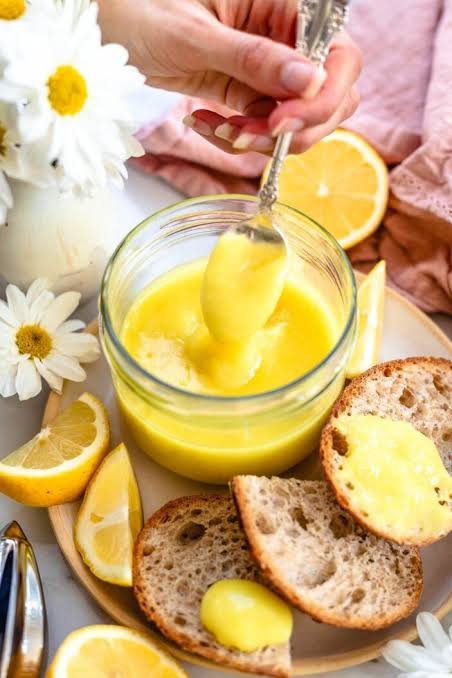
Homemade lemon curd paired with sweet whipped cream is one of the most delightful dessert combinations you can make in your own kitchen. This simple recipe brings together the bright tanginess of fresh lemons and the soft velvety texture of light cream to create a treat that pleases almost everyone. Making lemon curd from scratch might sound like something only expert bakers do, but it is actually very simple and requires only a few basic kitchen items. When you make this dessert yourself, you control every single ingredient, which means no artificial flavors, no fake colors, and no extra preservatives that you usually find in store bought jars. The smooth yellow lemon spread combined with cloud like whipped topping creates a visual contrast that looks like it came straight from a bakery display case. Learning this recipe gives you a versatile building block that can elevate simple cakes, tarts, cookies, or even your morning toast.
People around the world absolutely love this sweet and sour dessert because it satisfies sugar cravings while still feeling incredibly fresh and light. The rich egg yolks and pure butter give the lemon curd a silky mouthfeel, while the fresh citrus juice provides a sharp zip that wakes up your taste buds immediately. Many people find that store bought fruit spreads are far too sugary and lack that true tart punch, which is why making it fresh at home makes such a huge difference. The addition of freshly whipped cream softens the sharp citrus edge, creating a perfectly balanced flavor profile where neither the sweet nor the sour component dominates. Children enjoy the bright flavor and smooth texture, while adults appreciate the sophisticated blend of rich dairy and vibrant fruit notes. It is the kind of comfort food that makes you feel happy with every single spoonful, whether you enjoy it plain or paired with fruit.
There are so many wonderful occasions and emotional reasons to whip up a fresh batch of lemon curd and cream. On sunny spring or summer afternoons, this light dessert offers a cool and refreshing end to a family meal or a weekend backyard gathering. If you are feeling down or having a stressful day, the process of gently whisking ingredients on the stove can be surprisingly soothing and mindful. It is also an amazing recipe to prepare when you want to show love to your family and friends with a thoughtful homemade food gift packed in a pretty glass jar. From a wellness perspective, choosing homemade fruit curds allows you to adjust the sweetener level and enjoy genuine citrus benefits like natural vitamin C and clean energy, rather than consuming heavily processed chemical sweets. Taking time out of your week to cook something fresh brings a great sense of achievement and fills your entire home with the delicious aroma of fresh lemon.
Mastering this recipe will also build your confidence as an home cook because it teaches you basic kitchen techniques that apply to many other classic dishes. You will learn how to temper eggs safely so they turn into a smooth custard rather than scrambling, and you will learn how to whip heavy cream to the perfect pillowy peaks. These foundational skills open up a whole new world of baking possibilities, allowing you to venture into making mousses, fruit tarts, and filled pastries whenever you want. The ingredients are affordable and easy to find at any local grocery store, making it a budget friendly treat that tastes incredibly luxurious. Once you taste the difference between fresh homemade lemon curd and the jarred version from the supermarket, you will never want to go back again. It is a timeless culinary classic that belongs in every beginner cook recipe collection.
Ingredients You Will Need
Here is the complete list of fresh ingredients and exact measurements you will need to prepare both the lemon curd and the fresh whipped cream.
For the Lemon Curd
- Four large fresh lemons, yields one half cup of fresh lemon juice
- Two tablespoons of fresh lemon zest, finely grated
- Four large egg yolks, room temperature
- Whole large egg, room temperature
- Three quarters of a cup of granulated white sugar
- Half a cup of unsalted butter, cut into small cubes and softened
- One pinch of fine sea salt
For the Fresh Whipped Cream
- One cup of heavy whipping cream, well chilled
- Two tablespoons of powdered confectioners sugar
- One teaspoon of pure vanilla extract
Step by Step Method
Follow these easy steps carefully to make your smooth lemon curd and airy whipped cream right from scratch.
Step 1: Prepare Your Citrus
Start by thoroughly washing your four fresh lemons under cool running water to remove any dirt or wax on the skin. Pat them dry with a clean kitchen towel. Take a fine grater or zester and gently scrape off the yellow outer layer of the lemon skin until you have two tablespoons of zest. Be careful to scrape only the yellow part, as the white pith underneath is very bitter. After zesting, slice the lemons in half and squeeze out all the fresh juice through a strainer to remove the seeds. Measure out exactly one half cup of fresh juice and set it aside.
Step 2: Whisk the Eggs and Sugar
In a medium sized heatproof bowl or heavy saucepan, combine the four egg yolks, the one whole egg, and three quarters of a cup of granulated sugar. Add the pinch of fine sea salt into the bowl as well. Use a hand whisk to beat these ingredients together vigorously for about one full minute until the mixture becomes smooth, slightly pale, and well combined. Mixing the sugar with the eggs early helps protect the yolks from curdling when heat is applied later.
Step 3: Add the Citrus Juice and Zest
Pour the one half cup of fresh lemon juice and the two tablespoons of grated lemon zest directly into the egg mixture. Whisk everything together again until the liquid is fully uniform. Place the saucepan over low to medium heat on your stove top. If you are worried about burning the mixture, you can place the heatproof bowl over a pot of gently simmering water to create a double boiler system, which cooks the curd even more gently.
Step 4: Cook Until Thicken
Cook the lemon mixture slowly, stirring constantly with a wooden spoon or silicone spatula. Make sure to scrape the bottom and sides of the pan continuously so the eggs do not stick or cook too quickly in one spot. After about six to eight minutes of continuous stirring, the mixture will start to thicken into a rich custard texture. You will know it is ready when it coats the back of your spoon, and running a finger through the coating leaves a clear line that holds its shape.
Step 5: Stir in the Butter
Remove the saucepan from the stove heat immediately. Begin adding the softened cubes of unsalted butter, one or two pieces at a time. Stir gently after each addition until the butter melts completely into the warm lemon custard. The butter gives the curd its shiny gloss and creamy texture. If you prefer a completely smooth curd without any zest pieces, pass the warm curd through a fine mesh strainer into a clean glass bowl.
Step 6: Chill the Lemon Curd
Cover the surface of the warm lemon curd directly with a sheet of plastic wrap. The wrap must touch the top layer of the curd so a thick skin does not form on top as it cools. Place the covered bowl in the refrigerator for at least two hours, or until it is fully cold and firm.
Step 7: Prepare the Whipped Cream
While your lemon curd is chilling, make the fresh whipped cream. Place a clean mixing bowl and your whisk beaters in the freezer for ten minutes to get them cold, which helps the cream whip much faster. Pour the one cup of cold heavy whipping cream, two tablespoons of powdered sugar, and one teaspoon of vanilla extract into the chilled bowl.
Step 8: Whip to Soft Peaks
Use an electric hand mixer or an ordinary wire whisk to beat the heavy cream mixture on medium speed. Continue beating for about three to four minutes until the cream thickens and forms soft peaks that hold their shape gently when you lift the beaters. Be careful not to overbeat the cream, or it will turn into butter.
Step 9: Combine and Serve
To serve your dessert, spoon layer of cold lemon curd into small glass cups or dessert bowls. Top each cup with a generous dollop of fresh whipped cream. You can also gently fold half of the whipped cream into the lemon curd to create a light lemon mousse texture, then top with the remaining cream.
Why This Recipe Is Special
This homemade lemon curd and whipped cream recipe stands out because of its absolute purity and incredible balance of flavors. Store bought lemon fillings often rely on cornstarch, gelatins, and artificial yellow dyes to achieve their color and thickness. This traditional recipe relies entirely on natural egg yolks and real butter to create a authentic custard texture that melts on your tongue. The vibrant yellow color comes naturally from the fresh egg yolks and lemon zest, making it look as good as it tastes.
From a health and nutrition perspective, making this treat at home allows you to enjoy genuine benefits from natural ingredients. Fresh lemon juice provides a natural boost of vitamin C, an essential nutrient that supports your immune system and helps keep your skin healthy. Eggs offer high quality protein, essential fats, and important vitamins like choline for brain health. By controlling the amount of sugar you add, you can create a dessert that satisfies your sweet tooth without causing extreme sugar spikes.
The taste profile of this combination is truly special because it touches all parts of your palate at once. The initial bite delivers a sharp, tangy kick from the fresh citrus juice, which immediately awakens your senses. Almost instantly, the rich butter and soft vanilla whipped cream surround that sharp sourness, smoothing it out into a rich finish. It is light enough to enjoy after a large dinner, yet satisfying enough to fulfill a intense dessert craving.
Extra Tips for Better Taste
To make your lemon curd taste even more amazing, always choose organic, dark yellow lemons that feel heavy for their size, as heavy lemons contain much more juice. Room temperature lemons release their juice far easier than cold ones, so leave your lemons on the counter for an hour before squeezing them, or roll them firmly on your kitchen counter under your palm to soften them up.
If you want to add a unique twist to your dessert, consider adding a pinch of fresh culinary lavender or crushed mint leaves to the sugar before whisking. You can also swap out one tablespoon of lemon juice for fresh passion fruit juice or lime juice to create an exotic tropical flavor blend. For an extra rich whipped cream, substitute half of the powdered sugar with maple syrup or add a tablespoon of softened cream cheese to give the cream a subtle cheesecake flavor.
Storage is another important factor for maintaining great taste. Keep your finished lemon curd in a clean, airtight glass jar in the refrigerator for up to two weeks. The whipped cream is best enjoyed fresh on the day it is made, but if it starts to lose its fluffiness in the fridge, you can easily re-whip it with a wire whisk for thirty seconds to restore its soft structure.
Nutrition Details
Below is the nutritional breakdown for the ingredients used in this full recipe, as well as the estimated nutritional values per individual serving size, assuming this recipe makes six equal servings.
Recipe Nutrition Summary Table
| Category | Full Recipe Total | Per Single Serving |
| Total Calories | 2150 kcal | 358 kcal |
| Total Fat | 152 grams | 25.3 grams |
| Saturated Fat | 92 grams | 15.3 grams |
| Cholesterol | 720 milligrams | 120 milligrams |
| Sodium | 310 milligrams | 51.6 milligrams |
| Total Carbohydrates | 185 grams | 30.8 grams |
| Dietary Fiber | 2 grams | 0.3 grams |
| Sugars | 175 grams | 29.1 grams |
| Protein | 18 grams | 3.0 grams |
The numbers listed above are close estimates based on standard recipe ingredients like whole eggs, unsalted butter, and standard heavy whipping cream. Choosing low fat options or sugar substitutes will alter these totals.
Disclaimer
Everyone’s body is unique, and individual dietary needs or health outcomes may vary based on your personal metabolism, health conditions, and activity level. The nutritional information provided in this article is for educational and general information purposes only and should not be taken as professional medical or nutritional advice. If you have specific food allergies, dietary restrictions, or health concerns, please consult with a qualified doctor or registered dietitian before introducing new rich foods into your daily diet.