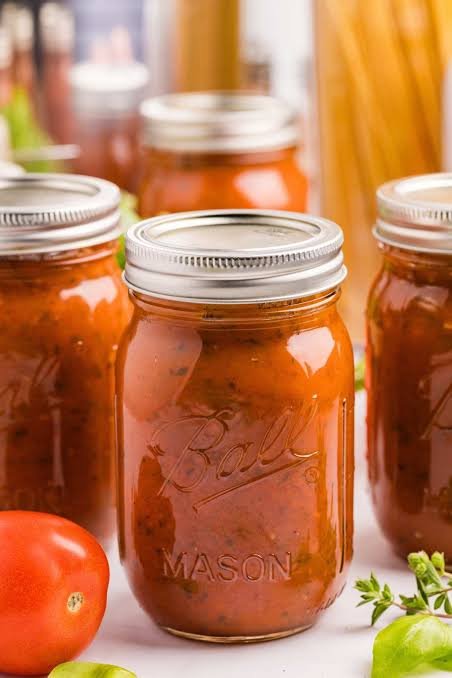
Canned spaghetti sauce is one of the most reliable and comforting pantry staples that you can ever keep in your kitchen cabinet. When you are having a long and tiring day at work or school, the thought of standing over a hot stove for hours to prepare a meal from scratch can feel overwhelming. This is exactly where a good jar or tin of prepared tomato sauce comes to save your dinner plans. It provides a quick and dependable foundation that allows anyone to create a warm and heart filling Italian style meal in just a few simple steps. You do not need to be a trained chef or have years of cooking experience to turn a plain can of sauce into something genuinely remarkable. With just a little bit of knowledge and a few extra pantry ingredients, you can easily transform basic processed tomato sauce into a rich and savory feast that tastes like it has been simmering on a stove top all afternoon long.
People all over the world love this particular recipe because it combines extreme convenience with incredible home cooked flavor. Life gets busy, and not everyone has the luxury of time to chop pounds of fresh red tomatoes, peel fresh garlic cloves, and watch a pot boil for four hours on a Sunday afternoon. Using a canned version saves you valuable prep work and clean up time while still giving you the freedom to customize the final dish according to your personal taste preferences. You can easily add your own favorite herbs, extra vegetables, lean ground meat, or cheeses to make it uniquely yours every single time. It brings total comfort without the massive mess in the kitchen, which makes it a huge favorite for busy parents, college students living in dorms, working professionals, and anyone who wants a delicious dinner on a budget without compromising on real home style flavor.
There are so many wonderful occasions and reasons to make this easy pasta dish in your home. From an emotional perspective, pasta with warm tomato sauce carries a deep sense of nostalgia and comfort that reminds many people of family dinners, cozy weekend gatherings, and childhood memories. On the taste side of things, tomatoes naturally contain a high amount of natural savory goodness that satisfies your taste buds and makes you feel full and happy. From a health and fitness standpoint, tomato sauce is packed with lycopene, which is a powerful antioxidant that supports heart health and overall body wellness. When you control what you add to your pot, you can easily adjust the salt, healthy fats, and protein content to match your personal nutritional goals. Whether you need a quick energy boost after a heavy workout or a simple meal to share with loved ones, this dish fits perfectly into any schedule.
Taking the time to elevate your canned tomato sauce is a small cooking habit that yields huge culinary rewards for your household. Many people assume that canned products have to taste flat or metallic right out of the container, but that is simply not true when you know how to heat and season them properly. By allowing the sauce to gently bubble and combine with fresh aromatics like onions, olive oil, and garlic, you cook away any harsh canned taste and bring out the natural sweetness of the red tomatoes. It is a fantastic confidence builder for absolute beginners who are just starting their cooking journey and want to learn basic kitchen skills. Once you master this foundational method, you will never have to settle for a bland or boring weeknight dinner ever again, and you will always have a quick meal solution ready to go in your kitchen.
Ingredients You Will Need
To create this comforting and delicious dinner, you will need the following simple ingredients ready on your kitchen counter:
Two cans of plain or seasoned canned spaghetti sauce, about fifteen ounces each One medium yellow onion, finely diced Three cloves of fresh garlic, minced or finely chopped Two tablespoons of extra virgin olive oil One teaspoon of dried oregano One teaspoon of dried basil Half a teaspoon of crushed red pepper flakes, optional for extra heat Half a teaspoon of black pepper, freshly cracked One teaspoon of granulated white sugar or honey, to balance acidity Half a teaspoon of salt, or according to your personal taste Half a cup of fresh water or low sodium vegetable broth, to adjust thickness One pound of your favorite dried pasta, such as spaghetti or penne Half a cup of freshly grated Parmesan cheese, for topping A small handful of fresh basil leaves, chopped for garnish
Step By Step Method
First, start by preparing your cooking station and making sure all your fresh ingredients are properly chopped and measured before you turn on the stove top burner. Dicing your yellow onion into small, uniform pieces ensures that it will cook evenly in the pan without leaving large chunks in your finished sauce. Mincing your fresh garlic cloves will allow their rich aroma to infuse into the cooking oil without burning quickly. Having everything ready ahead of time makes the actual cooking process relaxed, fun, and completely stress free for beginners.
Next, place a large deep skillet or saucepan on your stove and turn the heat to medium. Pour in the two tablespoons of extra virgin olive oil and allow it to warm up for about one minute until it looks shiny and moves easily across the bottom of the pan. Add the diced yellow onion into the warm oil and stir gently with a wooden spoon. Let the onions cook for about five to six minutes, stirring occasionally, until they become soft, clear, and slightly sweet.
Once your onions are soft, add the three cloves of minced garlic into the same skillet along with the dried oregano, dried basil, crushed red pepper flakes, black pepper, and salt. Stir these aromatics continuously for about one minute until you smell a wonderful fragrant aroma filling your kitchen. Be very careful not to burn the garlic, as burnt garlic can create a bitter taste in your meal. Cooking the dried herbs directly in the oil for a brief moment helps release their hidden essential oils and maximizes their rich natural flavor.
Now it is time to carefully open your two cans of spaghetti sauce and pour the contents directly into the skillet with your sautéed onions and garlic. Stir everything together thoroughly so that the oil and aromatics blend seamlessly into the rich red tomato base. If the sauce feels too thick at this stage, pour in half a cup of warm water or low sodium broth to help thin it out slightly. This extra liquid will gradually evaporate as the sauce simmers, leaving behind a perfectly rich consistency.
Add the one teaspoon of white sugar or honey into the mixture and give it another good stir. The sugar is a simple trick that helps neutralize any sharp acid coming from the canned tomatoes, creating a smooth and rounded flavor profile. Bring the whole mixture up to a gentle boil, then immediately lower your stove heat down to low so that the sauce is just barely bubbling. Put a lid on your skillet, leaving it slightly open to allow a little steam to escape, and let it simmer gently for twenty to thirty minutes.
While your delicious sauce is simmering on low heat, fill a large stockpot with plenty of fresh water and bring it to a rolling boil over high heat. Add a generous pinch of salt to the boiling water, then add your one pound of dried spaghetti or preferred pasta shape. Cook the pasta according to the package instructions, usually around eight to ten minutes, until it is cooked through but still slightly firm to the bite.
When your pasta is fully cooked, carefully drain the hot water out using a large colander in your sink. You can save about half a cup of the starchy pasta cooking water before draining, as this starchy liquid can be stirred into your sauce to help it cling beautifully to the noodles. Transfer your hot drained pasta directly into the skillet with your simmering tomato sauce, or serve the rich sauce generously over individual bowls of warm cooked pasta.
To finish your beautiful dish, sprinkle a generous amount of freshly grated Parmesan cheese and chopped fresh basil leaves right over the top of each hot serving bowl. The heat from the sauce will gently melt the cheese, creating a luscious and creamy bite every time. Serve your delicious meal immediately while it is piping hot alongside a fresh green side salad or warm garlic bread for the ultimate home dining experience.
Why This Recipe Is Special
This enhanced canned spaghetti sauce recipe holds a very special place in everyday cooking because it strikes the perfect balance between ultimate budget friendliness, high speed preparation, and outstanding taste. Many people assume that achieving a true, authentic Italian style flavor requires hours of active labor, expensive specialty ingredients, and complicated cooking techniques. This recipe proves that you can bypass all that hassle while still serving a rich and satisfying meal that tastes like it was made with love from scratch. It empowers home cooks of all skill levels to take control of their kitchen and build confidence without feeling intimidated by long step lists or complex tools.
From a nutritional perspective, this meal offers several wonderful health benefits that nourish your body while delighting your senses. Cooked tomatoes are known across the world as one of the very best dietary sources of lycopene. Lycopene is an essential nutrient and antioxidant that becomes even more available for your body to absorb after tomatoes are processed and cooked with healthy fats like olive oil. Antioxidants help protect your cells from daily oxidative stress, support healthy skin, and promote long term cardiovascular health. By cooking with real extra virgin olive oil, you are also introducing heart healthy monounsaturated fats into your daily diet.
Another huge benefit of making this modified canned sauce at home is the total control you gain over your food intake. Store bought canned sauces can sometimes contain high amounts of added sodium, heavy corn syrups, or artificial preservatives to extend shelf life. When you start with a plain canned tomato base and customize it with fresh onions, garlic, and herbs, you reduce the need for excessive salt and artificial flavors. You can easily adjust the sweetness and saltiness yourself, ensuring that your meal stays nutritious, wholesome, and perfectly aligned with your family health goals.
The taste experience of this dish is truly exceptional when compared to basic sauce straight from a jar. The simple act of cooking fresh onions and garlic in warm olive oil creates a deeply aromatic base layer that masks any dull canned notes. As the sauce simmers on low heat, the water slowly reduces, concentrating the natural tomato sugars and blending all the dried spices together into one harmonious flavor profile. Each mouthful delivers a perfect combination of tangy tomato richness, herbal warmth, subtle garlic spice, and savory cheese goodness that leaves everyone at the table asking for seconds.
Extra Tips For Better Taste
If you want to take this simple recipe to an even higher level of restaurant quality flavor, there are several easy and creative tricks you can try in your kitchen. First, consider adding a tiny splash of heavy cream or a spoonful of cream cheese right at the very end of your simmering process. Adding dairy turns the deep red sauce into a beautiful pink creamy tomato sauce, which cuts through the high acid level and adds an irresistible velvety texture that children and adults alike will absolutely adore.
Another fantastic way to upgrade your meal is by incorporating extra vegetables or protein into the pan right at the beginning. You can brown half a pound of lean ground beef, ground turkey, or Italian sausage in your skillet before adding the onions and garlic. If you prefer a lighter or vegetarian meal, finely chopped mushrooms, sweet bell peppers, shredded carrots, or fresh baby spinach leaves can be tossed into the pot. Vegetables like carrots are naturally sweet and help soften tomato acidity naturally without adding extra refined sugar.
For those who enjoy deep and complex flavors, try adding a small dash of soy sauce, Worcestershire sauce, or a tiny tablespoon of tomato paste to the pan when sautéing your garlic. These simple additions bring a deep savory note known as umami, which tricks your palate into thinking the sauce has been simmering on the stove for many hours. A small splash of red wine or balsamic vinegar added right after cooking the onions can also add a delightful depth of fruitiness and brightness to the final pot.
Finally, always make sure to cook your pasta in heavily salted boiling water and avoid rinsing your cooked pasta with cold water after draining. The natural starch left on the warm surface of the noodles helps your homemade tomato sauce grab onto the pasta, ensuring that every single bite is coated with rich flavor. Finishing the dish with fresh herbs like basil, parsley, or oregano right before serving adds a burst of clean garden flavor and bright green color that makes your home cooked meal look like it came from a professional restaurant.
Final Thoughts
Cooking a heartwarming and tasty meal for yourself or your loved ones does not have to be complicated, expensive, or time consuming. This simple canned spaghetti sauce recipe proves that with just a few basic pantry ingredients and a little bit of care, you can transform a plain store bought staple into a magnificent culinary creation. It is the perfect go to dish for busy weeknights when time is tight, but your appetite calls for real, satisfying comfort food. Gather your simple ingredients, fire up your stove top, and enjoy the rich, delicious rewards of a home cooked pasta dinner tonight.
Nutrition Details
Below is a helpful nutritional breakdown table for this enhanced spaghetti sauce recipe. The values listed are estimated calculations per individual serving based on a total recipe yield of four full servings, including a moderate portion of cooked pasta.
| Nutrient Name | Amount Per Serving | Daily Value Percentage | | Calories | 380 kcal | 19 percent | | Total Fat | 9 grams | 12 percent | | Saturated Fat | 2 grams | 10 percent | | Trans Fat | 0 grams | 0 percent | | Cholesterol | 5 milligrams | 2 percent | | Sodium | 580 milligrams | 25 percent | | Total Carbohydrates | 62 grams | 22 percent | | Dietary Fiber | 6 grams | 21 percent | | Total Sugars | 9 grams | 18 percent | | Protein | 12 grams | 24 percent | | Vitamin D | 0 micrograms | 0 percent | | Calcium | 95 milligrams | 8 percent | | Iron | 3.2 milligrams | 18 percent | | Potassium | 620 milligrams | 13 percent |
Disclaimer
This article and nutritional guide are provided strictly for general informational and educational purposes. Everyone has unique health needs, dietary restrictions, metabolic rates, and medical conditions, which means individual nutritional requirements and physical responses to specific foods can vary widely from person to person. The nutritional values calculated in the table above are approximate estimates based on standard cooking ingredients and average serving sizes, but actual values may shift based on specific brand selections, precise measurements, or ingredient substitutions made in your own kitchen. If you have underlying health concerns, severe food allergies, high blood pressure, or specific dietary rules managed by a doctor, please consult with a qualified healthcare professional or a registered dietitian before making significant changes to your daily diet.