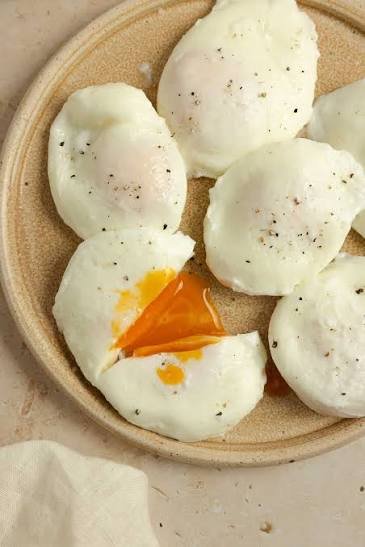
Making a poached egg might seem like a scary task for many beginner cooks, but it is actually one of the absolute best cooking skills you can learn in your kitchen. A poached egg is unique because you are cooking the egg out of its shell directly in gentle water without using heavy cooking oils or vegetable sprays. When done correctly, the egg white turns into a soft white cushion while the yellow yolk stays warm and runny on the inside. This simple recipe brings high restaurant style dining into your everyday home cooking routine without requiring expensive kitchen tools or professional training. Once you understand the basic flow, you will realize that boiling an egg this way gives you pure flavor and an amazing soft texture that fried or scrambled eggs just cannot match.
People around the world adore this special breakfast dish because it provides a luxurious dining experience right at your morning table. There is something truly magical about cutting into a freshly made warm egg yolk and watching it spill like a rich creamy sauce over your plate. Unlike heavy fried breakfast foods that can make you feel sleepy or weighed down, poached eggs taste light, clean, and incredibly comforting. Beginners love learning this technique because it makes them feel like professional chefs, and the delicious result is always worth the effort. It is a wonderful way to impress your family members or treat yourself to a peaceful weekend breakfast that feels fancy without costing a lot of money.
You should consider making this delicious dish whenever you want a healthy, low calorie meal that fills you with clean energy for the rest of the day. It is an ideal option for early mornings when you need a fast protein boost before work or after a hard exercise session at the gym. Fitness fans and low carb lovers often turn to this meal because it contains high quality nutrients without any added fats or extra artificial ingredients. Beyond health, this recipe is perfect for slow lazy weekend mornings when you want to enjoy a quiet moment with a warm cup of coffee or tea. Every single bite delivers a soothing warm taste that brightens your morning mood and keeps you feeling satisfied for many hours.
Mastering this classic kitchen method will also boost your general confidence as a home cook because it teaches you how to control temperature and handle delicate foods with ease. You do not need to feel nervous about water temperatures or egg whites breaking apart because the process is very forgiving once you know the core steps. Eating fresh home cooked meals is one of the best habits you can build for long term health, and starting your morning with a clean protein source sets a positive tone for your daily food choices. As you practice this recipe more often, it will quickly become your default morning comfort food whenever you crave something warm, tasty, and deeply nourishing.
Ingredients You Will Need
Two large fresh eggs
Four cups of fresh cold water
One tablespoon of plain white vinegar
One pinch of fine sea salt
One pinch of crushed black pepper
Optional fresh parsley for serving
Step by Step Method
Choose your fresh eggs with great care before you start cooking. Fresh eggs have thick whites that hold their shape closely around the yellow yolk inside the water. Older eggs tend to have watery whites that spread out into messy white ribbons inside your pot. Break one fresh egg very carefully into a small glass bowl or a cup. Cracking the egg into a small cup first prevents the yolk from breaking and makes it much easier to slide the egg gently into the simmering water.
Take a medium size saucepan and fill it with four cups of fresh cold water. Place the saucepan on your stove top and turn the heat setting up to medium high. Add one tablespoon of plain white vinegar into the water now. The vinegar helps the white part of the egg firm up much faster so it stays together nicely. You will not taste the vinegar at all in the final cooked dish, so do not worry about adding it. Bring the water to a soft simmer where small gentle bubbles form at the bottom of the pan.
Do not let the water reach a rolling rapid boil because fast bubbling water will tear the soft egg white into small pieces. Keep the heat setting at a gentle medium low so the water stays warm with tiny quiet bubbles. Take a large spoon and stir the warm water in a steady circle to create a gentle water whirlpool right in the middle of your pot. This gentle whirlpool motion helps wrap the loose egg white around the yolk as soon as it hits the water.
Carefully hold your small glass bowl close to the surface of the swirling water. Gently slide the raw egg right into the center of the whirlpool. The swirling water will naturally wrap the white part around the soft yellow center. Let the egg cook undisturbed in the gentle simmering water for about three to three and a half minutes. Three minutes will give you a very runny warm yolk, while three and a half minutes gives a slightly firmer yolk with a soft center.
Use a slotted spoon to carefully lift the poached egg out of the warm water. A slotted spoon allows all the excess liquid to drain away completely from your cooked egg. Gently place the spoon with the egg on a folded paper towel for a few seconds to blot away any remaining water droplets. Repeat these same simple steps for the second fresh egg. Transfer your warm eggs to a clean serving plate and sprinkle a pinch of fine sea salt and crushed black pepper right on top before serving.
Why This Recipe Is Special
This dish is truly special because it provides maximum flavor while using minimal ingredients and zero extra cooking oil. Cooking eggs directly in warm water preserves all the natural vitamins and good fats found inside the yolk without adding unnecessary calories. Eggs are packed with high quality protein, vitamin B12, and healthy nutrients that support brain health and keep your muscles strong. Because there is no heavy frying involved, the final result is extremely gentle on your stomach and very easy for your body to digest quickly.
The visual beauty and smooth texture of a perfectly cooked egg make any morning meal feel like an upscale restaurant brunch. The contrast between the firm white outer layer and the soft warm yellow center creates a wonderful taste sensation in every bite. It is a timeless cooking method that brings pure joy through simple natural whole foods. Learning this basic skill connects you with classic culinary traditions while giving you a healthy fast option for busy modern mornings.
Extra Tips for Better Taste
To make your dish taste even better, try adding a light sprinkle of smoked paprika or garlic powder on top of the cooked eggs just before eating. Fresh green herbs like chopped chives, parsley, or dill also add a lovely pop of color and a bright grassy flavor. If you want a bit of heat, a tiny pinch of red chili flakes or a small drop of hot sauce works wonderfully with the rich creamy yolk.
Another great trick is to strain your raw egg through a fine mesh strainer before cooking. This removes the thin liquid part of the egg white, leaving only the thick solid white behind. Doing this step guarantees a smooth round shape with almost zero messy white floats in your water pot. Always serve your cooked eggs immediately while they are still warm for the absolute best texture and rich flavor.
Final Thoughts
Learning how to poach an egg is a fun and rewarding journey that every home cook can easily master with a little bit of practice. Once you get comfortable with the simple whirlpool trick and water control, you can make this beautiful dish in less than ten minutes every morning. Enjoying a clean, warm, protein rich breakfast is one of the best gifts you can give your body every day. Gather your simple ingredients today, take your time near the stove, and enjoy your amazing home cooked meal.
Nutrition Details
| Item Name | Value Per Serving | | Total Calories | 140 kcal | | Protein | 12 grams | | Total Fat | 10 grams | | Saturated Fat | 3 grams | | Carbohydrates | 1 gram | | Dietary Fiber | 0 grams | | Total Sugars | 0 grams | | Sodium | 140 milligrams | | Cholesterol | 370 milligrams |
Disclaimer
Everyone has unique nutrition needs, health goals, and personal digestive systems. The nutritional numbers listed above are standard estimates and may vary slightly based on the exact size or brand of eggs you use. If you have specific dietary restrictions, health conditions, or concerns about consuming soft cooked egg yolks, please consult with a qualified medical professional or certified nutritionist for personal advice.