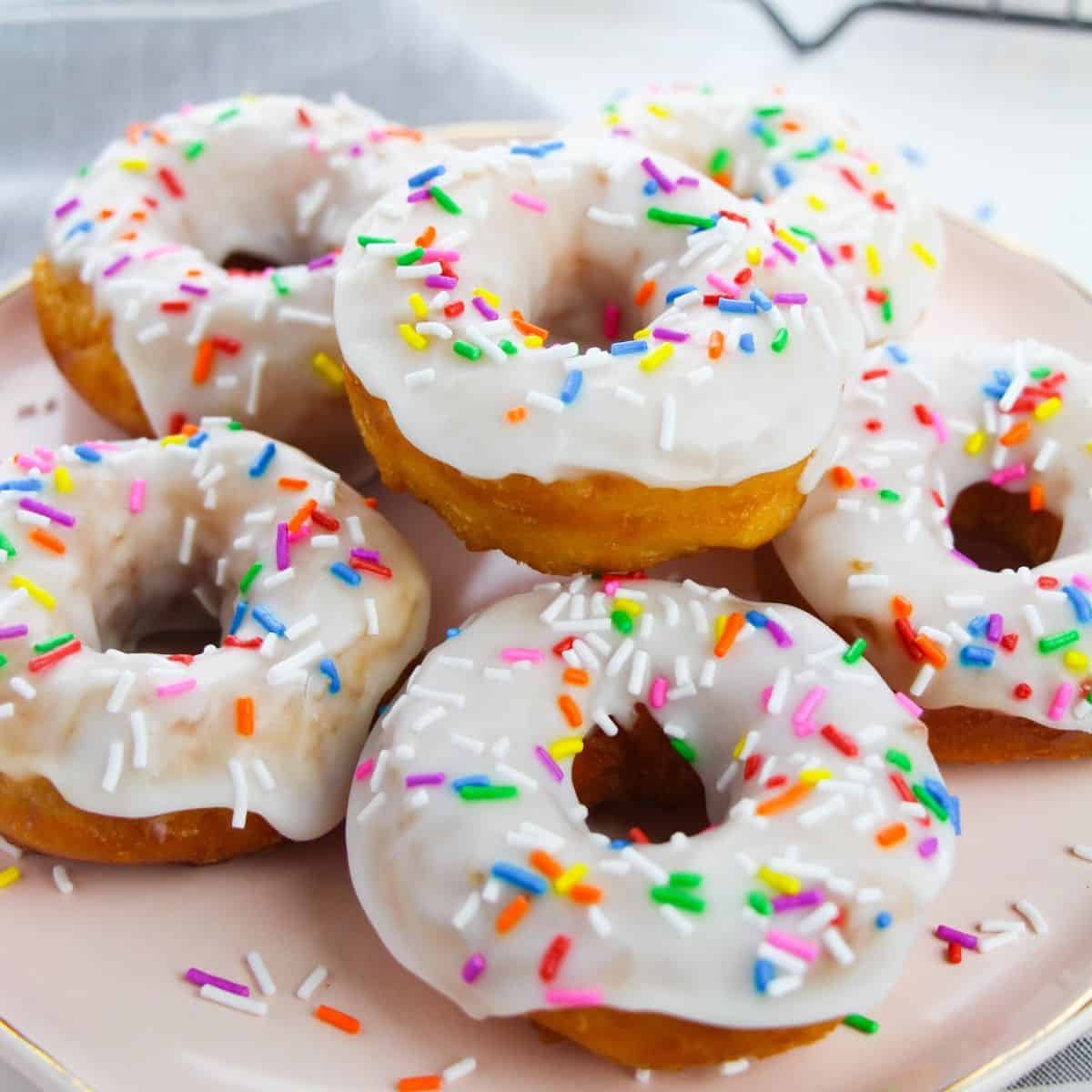
Sourdough baking is a wonderful journey that brings warmth and comfort into any home kitchen. Every time you feed your starter to keep it healthy and strong, you end up with a small portion of starter that is not needed for bread making. Many people feel sad tossing this extra starter into the trash bin because it represents time and valuable flour. That is where this amazing sourdough discard donuts recipe comes into save the day and transform simple kitchen waste into a delicious morning treat. Instead of letting that precious mixture go unused, you can turn it into soft, pillowy, and fragrant donuts that will make your whole house smell like a professional bakery. This sweet transformation is both satisfying and resourceful for home cooks of all skill levels.
People absolutely fall in love with this special sweet recipe for many simple reasons. First of all, it gives you a quick and easy way to use up your extra starter without waiting for hours and hours for traditional dough to rise. The sourdough discard adds a gentle tangy flavor that cuts through the sweetness of the sugar and glaze, creating a balanced taste that you simply cannot buy at a regular grocery store. Children and adults alike adore the soft, tender texture that stays moist for a very long time thanks to the natural starter properties. Cooking these treats brings immense joy to the kitchen, making standard weekend mornings feel like a grand celebration with minimal effort required.
There are so many wonderful moments to make these quick yeast style treats at home. You can whip them up on a rainy Sunday morning when you want to cozy up with a warm cup of coffee and a sweet snack. They are also fantastic for casual family breakfasts, holiday brunches, or even as a fun weekend baking project with your kids. Beyond pure comfort, choosing to bake with leftover starter feels great because you are reducing food waste in your daily life. It feels like a smart and economical decision for your household budget, while still allowing you to indulge in a rich, restaurant quality dessert whenever a strong sweet craving strikes.
Making homemade baked goods from scratch builds real confidence in your culinary skills while feeding your loved ones wholesome food. When you control the simple ingredients going into your sweet batter, you avoid artificial preservatives and weird chemical additives found in commercial versions. This recipe bridges the gap between traditional sourdough artistry and fast everyday comfort food that satisfies immediate cravings. The simple joy of dipping warm fried dough into a shiny vanilla glaze is an experience everyone deserves to enjoy. Let us dive right into the magic of transforming simple flour and water into pure golden happiness.
Ingredients You Will Need
To make these soft and flavorful donuts, gather these basic ingredients from your pantry and refrigerator:
-
Sourdough Discard: 1 cup (240 grams), unfed and at room temperature
-
All Purpose Flour: 2 and 1/2 cups (300 grams), plus extra for dusting
-
Granulated White Sugar: 1/2 cup (100 grams)
-
Unsalted Butter: 1/4 cup (60 grams), melted and slightly cooled
-
Whole Milk: 1/2 cup (120 milliliters), warm to the touch
-
Large Egg: 1 whole egg, room temperature
-
Baking Powder: 2 teaspoons
-
Baking Soda: 1/2 teaspoon
-
Salt: 1/2 teaspoon fine sea salt
-
Vanilla Extract: 1 teaspoon pure vanilla extract
-
Frying Oil: 4 cups vegetable oil or canola oil for deep frying
Vanilla Glaze Ingredients
-
Powdered Sugar: 1 and 1/2 cups (180 grams)
-
Whole Milk: 3 tablespoons
-
Vanilla Extract: 1 teaspoon
Step by Step Method
Step 1: Mixing the Wet Ingredients
In a large mixing bowl, add your warm whole milk, melted butter, room temperature egg, and vanilla extract. Use a whisk to mix these liquid items together until they are well combined. Next, gently pour in your sourdough discard. Whisk continuously until the starter dissolves into the liquid mixture completely. You want a smooth liquid without any big clumps of dense dough floating around.
Step 2: Combining the Dry Ingredients
In a separate medium bowl, combine the all purpose flour, granulated white sugar, baking powder, baking soda, and fine sea salt. Use a fork or dry whisk to stir these dry elements so that the leavening agents spread evenly throughout the flour. This step ensures your sweet treats will rise uniformly during the frying process.
Step 3: Forming the Dough
Slowly pour the dry flour mixture into the bowl with the wet sourdough mixture. Use a wooden spoon or strong silicone spatula to fold everything together. Stir until a soft, slightly sticky dough forms. If the dough seems excessively sticky and hard to handle, add one extra tablespoon of flour at a time. Be careful not to add too much flour, or your finished bakery items will become dense instead of light and fluffy.
Step 4: Resting the Dough
Cover the mixing bowl tightly with a clean kitchen towel or plastic wrap. Let the dough rest on your kitchen counter for about thirty minutes. This brief rest period allows the flour to fully absorb the moisture and gives the natural acids in the sourdough time to relax the gluten fibers, making the dough much easier to roll out smoothly.
Step 5: Rolling and Cutting Shapes
Lightly dust a clean counter surface with extra all purpose flour. Place your rested dough onto the floured surface. Using a rolling pin, gently roll the dough out until it is about half an inch thick. Take a donut cutter, or two round cookie cutters of different sizes, to punch out your round shapes and the small center holes. Place the shaped dough rings onto a baking sheet lined with parchment paper. Re roll any dough scraps gently to cut out more shapes.
Step 6: Heating the Oil
Pour your frying oil into a deep, heavy bottomed pot or Dutch oven. The oil should be at least two inches deep so the dough rings can float freely. Heat the oil over medium heat until it reaches three hundred and fifty degrees Fahrenheit. You can use a digital candy thermometer to check the temperature accurately. Keeping the oil at the right temperature prevents greasiness.
Step 7: Frying to Golden Perfection
Gently lower two or three dough rings into the hot oil using a slotted spoon. Do not overcrowd the pot, as this lowers the oil temperature rapidly. Fry each side for about two minutes until it turns a deep golden brown color. Use your slotted spoon to carefully flip each piece halfway through cooking. Once fully fried, transfer them to a wire cooling rack set over a paper towel to drain excess oil. Repeat this process for the remaining dough pieces and small hole bites.
Step 8: Making and Applying the Glaze
While the hot treats cool down slightly, prepare your sweet glaze. In a small shallow bowl, whisk together the powdered sugar, milk, and vanilla extract until smooth and glossy. Take each warm pastry ring and dip the top surface directly into the glaze. Turn it right side up on the wire rack and let the sweet glaze set for a few minutes before serving.
Why This Recipe Is Special
This unique recipe stands out because it solves a common problem for home bakers while delivering incredible flavor. Using discarded sourdough starter is a clever method to eliminate food waste, making your kitchen habits more sustainable and cost effective over time. Instead of throwing away good fermented flour, you create an amazing dessert that tastes better than standard store bought treats.
From a health perspective, the simple process of fermenting flour creates benefits for your digestive system. The lactic acid present in sourdough discard breaks down complex starches and proteins in the grain, making the final fried pastry much easier on your stomach compared to rapid rise commercial products. While this is still a delicious indulgence, using simple home ingredients means avoiding artificial colors, hidden hydrogenated oils, and chemical preservatives commonly found in commercial bakeries.
The taste profile is truly exceptional and impossible to duplicate with regular yeast alone. The slight tartness of the aged starter cuts through the rich sugar glaze, giving you a deep, complex flavor that is not overly sweet. The texture achieves a perfect contrast, featuring a crisp outer shell and a light, tender interior that melts in your mouth with every bite.
Extra Tips for Better Taste
-
Temperature Control: Always monitor your frying oil closely with a kitchen thermometer. If the oil gets too hot, the outside will burn before the inside cooks through. If the oil is too cool, the dough will absorb excess oil and become soggy.
-
Add Warm Spices: Enhance the flavor profile by adding half a teaspoon of ground cinnamon or a pinch of fresh nutmeg to the dry ingredient bowl for a cozy autumn twist.
-
Try Different Toppings: Swap the classic vanilla glaze for a rich chocolate ganache, maple glaze, or a simple coating of cinnamon sugar applied while the treats are still warm.
-
Use Fresh Oil: Always fry with fresh, neutral cooking oil like canola or vegetable oil to ensure a clean flavor without any lingering aftertaste from previous meals.
-
Don’t Overwork the Dough: Handle the dough as gently as possible when rolling and cutting to keep the final texture airy and soft rather than dense and tough.
Final Thoughts
Baking at home should always bring joy, relaxation, and delicious rewards to your daily life. This simple sourdough discard recipe takes a humble kitchen byproduct and elevates it into something truly magnificent for your whole family to enjoy. Whether you are an experienced sourdough baker looking for clever ideas or a complete beginner eager to experiment with simple frying methods, these soft glazed creations will surely impress everyone at your table. Gather your basic ingredients, heat up your stove, and enjoy the magical process of making warm, fresh treats right in your own kitchen today.
Nutrition Details
Here is the estimated nutritional value for one plain glazed serving made with this recipe:
| Nutrient | Amount Per Serving |
| Calories | 280 kcal |
| Total Fat | 12 grams |
| Saturated Fat | 3 grams |
| Cholesterol | 25 milligrams |
| Sodium | 180 milligrams |
| Total Carbohydrates | 38 grams |
| Dietary Fiber | 1 gram |
| Sugars | 18 grams |
| Protein | 4 grams |
Disclaimer
Please remember that everyone’s body is unique, and individual nutritional requirements vary from person to person. Cooking results may change based on specific ingredient brands, flour types, exact frying temperatures, and minor variations in kitchen preparation methods. The dietary information provided in this table is a general estimation calculated using standard ingredients. If you have specific dietary needs, allergies, or health concerns, please consult a qualified healthcare professional or certified nutritionist before making changes to your regular meal plans.