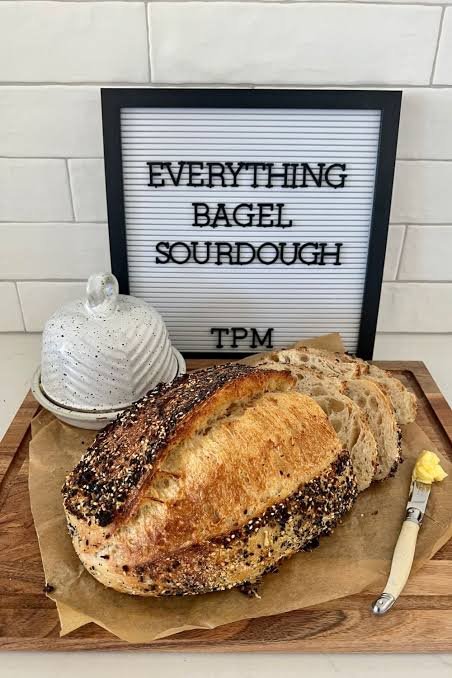
Making your own bread at home is one of the most comforting activities you can ever try in your kitchen. This sourdough loaf everything seasoning recipe brings together the deep sour flavor of traditional fermented bread and the crunchy savory goodness of everything bagel spice mix. When you bake this bread at home you get a soft fluffy interior surrounded by a crisp golden crust that is completely coated in crunchy seeds and aromatic spices. The process relies on natural fermentation which means you do not need any instant commercial yeast from a store. Instead you use a natural sourdough starter made from water and flour that captures friendly bacteria and wild yeast from your environment. Baking this specific loaf allows you to combine two beloved breakfast favorites into one delicious loaf of artisan bread that tastes like it came directly from an expensive local bakery.
People absolutely adore this savory sourdough recipe because it fills the entire home with an irresistible aroma while it bakes in the oven. The combination of garlic granules onion flakes sesame seeds poppy seeds and coarse salt creates a rich explosion of taste in every single bite you take. Standard white bread can sometimes feel plain or boring after a few days but the extra crunch and aromatic spices on this loaf keep every slice exciting and fresh. Bread lovers appreciate how the natural sourness of long fermented dough pairs so smoothly with the salty garlic topping. It creates a satisfying contrast between the soft open crumb on the inside and the thick crunchy savory crust on the outside. Every slice offers a wonderful texture that makes simple meals feel special and homemade.
You will find that baking this special loaf fits into so many different moments of your weekly life whether you want a cozy weekend project or a healthy option for your family meal prep. Baking fermented sourdough is a wonderful mindful activity that helps you slow down and relax while working with your hands after a long busy week. From a health and fitness view sourdough is much easier on your stomach than regular white bread because the long fermentation process breaks down gluten and phytic acid naturally. You can enjoy a fresh slice toasted with avocado for a quick nutrient packed breakfast before a morning workout or serve it alongside a warm bowl of soup on a chilly evening. The comforting smell of toasted garlic and toasted sesame seeds filling your warm kitchen creates pure happiness for anyone who loves good real food made from scratch.
Learning how to bake sourdough with savory toppings is also a wonderful skill that brings people together around the dinner table. Sharing a fresh warm loaf with family members or bringing a wrapped loaf as a thoughtful gift to a neighbor builds sweet memories that last a long time. Children and adults alike love picking at the crunchy roasted seeds on the top crust while the bread cools down on the wire rack. You do not need expensive commercial equipment or professional bakery skills to achieve success with this straightforward beginner friendly baking method. All you need is some patience quality basic ingredients and a willingness to follow simple natural baking steps. Once you slice into your first homemade loaf covered in savory spices you will feel a huge sense of pride and joy that instantly makes all the effort completely worth it.
Ingredients You Will Need
To make this delicious sourdough loaf with savory seasoning you need to collect a few simple and wholesome pantry items before you begin your baking journey.
- Active sourdough starter: 100 grams (bubbling active and fed within the last 4 to 8 hours)
- Bread flour: 450 grams (unbleached high protein flour works best for good bread structure)
- Whole wheat flour: 50 grams (adds a nice subtle nutty flavor and extra health benefits)
- Warm water: 350 grams (filtered water heated slightly to around 80 degrees Fahrenheit)
- Fine sea salt: 10 grams (enhances overall dough flavor and regulates fermentation speed)
- Everything bagel seasoning mix: 4 tablespoons (contains sesame seeds poppy seeds dried garlic dried onion and coarse salt)
- Extra water for topping: 2 tablespoons (used to moisten the top surface so seeds stick easily)
- Olive oil: 1 tablespoon (used to lightly grease your proofing bowl or hands during shaping)
Step by Step Method
Step 1: Mixing the Main Dough
Start by taking a large clean mixing bowl and placing it on your kitchen digital scale. Measure out your warm filtered water and your active sourdough starter into the bowl. Use a large spoon or a spatula to whisk the starter and water together until the mixture looks milky and no large lumps remain. Next add the bread flour and the whole wheat flour directly into the liquid mixture. Use your hands or a sturdy wooden spoon to mix everything together until all the dry flour disappears into a shaggy messy dough ball. Cover the bowl with a damp cloth or plastic wrap and let it sit undisturbed for 30 minutes at room temperature. This resting step is called autolyse and it allows the flour to absorb water fully which makes shaping much easier later on.
Step 2: Adding the Salt
After the 30 minute rest period sprinkle the fine sea salt evenly over the top of your wet dough. Wet your clean hands with a little fresh water to prevent the dough from sticking to your fingers. Reach under one side of the dough lift it up gently and stretch it over the top towards the opposite side. Rotate your bowl a quarter turn and repeat this stretch and fold movement. Continue stretching and folding all around the bowl for about two to three minutes until the salt is fully incorporated and the dough begins to feel smoother and tighter. Cover the bowl again and let the dough rest for another 30 minutes in a warm spot in your kitchen.
Step 3: Performing Stretch and Folds
Over the next two hours you will perform four sets of stretch and folds spaced 30 minutes apart to build strong gluten structures in your dough. For each set wet your hands lightly reach underneath one side of the dough and pull it upward smoothly without tearing it. Fold that stretched piece over the top center of the dough mass. Turn the bowl a quarter turn and repeat this action on all four sides of the dough. You will notice that with each round the dough becomes stronger more elastic and less sticky. Keep the bowl covered between each set to stop the surface of your dough from drying out.
Step 4: Bulk Fermentation
Once you finish your last set of stretch and folds leave the dough in a warm area to undergo bulk fermentation. This process usually takes anywhere from 3 to 6 hours depending on the temperature inside your kitchen. The dough is ready when it has expanded in size by roughly 50 to 75 percent looks slightly domed on top and shows visible air bubbles under the smooth surface. If you gently jiggle the bowl the dough should wobble nicely indicating that light gas pockets have formed inside.
Step 5: Shaping the Loaf
Lightly dust your clean kitchen counter with a little bit of bread flour and gently tip the fermented dough out of the bowl onto the work surface. Gently press the dough into an even flat rectangle shape using your fingers. If you want some savory spice inside the bread as well as on top you can sprinkle two tablespoons of everything bagel seasoning evenly across the flattened dough right now. Fold the left side of the dough over into the middle then fold the right side over it like a letter. Roll the dough up tightly from the bottom edge into a neat round or oval shape. Use your hands to gently pull the shaped dough ball toward yourself across the bare counter to build smooth outer tension on the top skin.
Step 6: Coating with Everything Seasoning
Spread your remaining everything bagel seasoning mix out in an even layer on a small shallow plate or tray. Pour two tablespoons of water onto a flat clean plate right next to the spice tray. Pick up your shaped dough ball carefully and gently roll the smooth top surface onto the wet plate so it becomes lightly damp. Next lift the damp dough ball and press the wet top skin directly into the everything bagel seasoning mix. Ensure the entire top and sides are thickly coated in seeds garlic and onion. The damp dough allows the heavy seeds to stick tightly so they do not fall off during baking.
Step 7: Cold Proofing
Carefully place your coated dough upside down into a flour dusted banneton basket or a round bowl lined with a clean dusted kitchen towel. The seed coated side should face downward while the seam on the bottom faces upward toward you. Cover the basket with a plastic bag or reusable bowl cover to retain moisture. Transfer the covered dough into your refrigerator to cold proof for 12 to 18 hours overnight. This slow cold environment slows down yeast activity while allowing beneficial lactic acid bacteria to produce that signature deep sourdough taste.
Step 8: Preheating Your Oven
The following morning place a large Dutch oven with its lid inside your regular home oven. Preheat your oven to 450 degrees Fahrenheit (230 degrees Celsius) for at least 45 minutes to one hour so the Dutch oven becomes extremely hot. High heat is essential for creating a dramatic oven spring that lifts your bread tall and makes the crust perfectly crispy.
Step 9: Scoring and Baking
Take your chilled dough out of the refrigerator right before you are ready to bake. Flip the dough carefully out of the basket onto a sheet of parchment paper so the seed coated side is now facing upward. Use a razor blade or sharp kitchen knife to make a swift quick slash across the top skin of the bread at a slight angle. This cut controls where the expanding steam escapes so the loaf opens up beautifully. Carefully remove the hot Dutch oven from your main oven using thick heatproof oven mitts. Use the parchment paper corners as handles to lift the scored dough and lower it gently into the center of the preheated pot. Put the hot lid back on top immediately and slide the Dutch oven into the oven.
Bake covered with the lid on for 20 minutes at 450 degrees Fahrenheit. The trapped steam inside the pot keeps the outer skin soft for the first few minutes allowing the loaf to rise fully before the crust sets. After 20 minutes carefully remove the lid from the Dutch oven. You will see a tall partially baked loaf with light golden seeds. Reduce the oven temperature slightly to 410 degrees Fahrenheit (210 degrees Celsius) and continue baking uncovered for another 20 to 25 minutes. The crust will turn a deep golden brown color while the seeds turn delightfully crisp and fragrant.
Step 10: Cooling
Carefully remove the finished bread from the hot Dutch oven using tongs or parchment handles and transfer it onto a wire cooling rack. Allow the baked sourdough loaf to cool down completely for at least two full hours before slicing into it with a serrated bread knife. Cutting into hot bread traps internal moisture and creates a gummy dense texture inside. Allowing the loaf to cool completely ensures a light soft crumb with a crunchy crust.
Why This Recipe Is Special
This sourdough loaf everything seasoning recipe stands out from ordinary homemade breads for several reasons. First the long natural fermentation process makes it far better for digestive wellness than standard fast baked white loaves. Natural sourdough fermentation allows wild bacteria to break down complex sugars and hard to digest proteins in wheat flour. This means many people who feel bloated after eating commercial bread can comfortably enjoy fresh homemade sourdough without digestive discomfort.
From a nutrition perspective wild fermented bread acts as a natural prebiotic that supports good bacteria in your gut microbiome. Sourdough also has a lower glycemic index compared to standard commercial bread because the organic acids created during fermentation slow down glucose absorption into your bloodstream. This prevents sudden spikes in blood sugar levels making it a balanced energy source for active lifestyles.
The taste and texture combination of this specific loaf is truly unmatched in home baking. The complex tangy flavor of long fermented sourdough pairs harmoniously with savory aromatic spices like toasted garlic and dried onion. Every single slice delivers a wonderful contrast between the open airy interior crumb and the thick crunchy outer crust. Adding seeds like sesame and poppy also brings healthy fats and essential minerals such as iron calcium and magnesium into your daily diet.
| Feature | Regular White Bread | Everything Sourdough Loaf |
| Fermentation Method | Commercial Instant Yeast | Natural Wild Sourdough Starter |
| Flavor Profile | Mild Plain Sweet | Deep Tangy Garlic Savory |
| Crust Texture | Soft or Chewy | Crisp Thick Crunchy |
| Digestive Comfort | Can Cause Bloating | Easy on Stomach |
| Glycemic Impact | High Blood Sugar Spike | Lower Steady Energy Release |
Extra Tips for Better Taste
To make your sourdough loaf everything seasoning taste even more amazing you can experiment with a few creative simple kitchen ideas.
Try brushing the top skin of your shaped dough lightly with melted garlic butter instead of plain water right before rolling it in the seed mixture. This creates an extra rich flavor that tastes similar to fresh garlic bread from an Italian restaurant.
You can also fold small cubes of sharp cheddar cheese or spicy pepper jack cheese into the center of your dough during the shaping step. As the loaf bakes in the oven the cheese melts into pockets of rich goodness that contrast beautifully with the crunchy garlic and onion seeds on top.
If you enjoy extra heat in your meals add a teaspoon of dried red pepper flakes or smoked paprika into your everything bagel seasoning mix. The subtle smokiness elevates the savory aroma while the warm spice adds an exciting kickoff to your morning breakfast toast.
Always store your whole uncut bread wrapped in a clean cloth bag or paper bag on your kitchen counter to keep the crust crunchy. Avoid storing fresh artisan sourdough in plastic bags because trapped moisture makes the outer skin soft and spongy.
Final Thoughts
Baking a fresh sourdough loaf covered in everything bagel seasoning is a joyful rewarding experience that transforms basic pantry ingredients into a beautiful work of art. The wonderful mix of crunchy roasted seeds fragrant garlic and natural sourdough sourness creates a savory bread that your entire family will love eating every single day. Taking time out of your week to nurture a natural starter mix dough gently with your hands and watch a loaf rise tall in the oven connects you deeply with wholesome home cooking. Enjoy every single bite of your warm toasted sourdough and feel proud of the healthy artisan loaf you created completely from scratch in your own kitchen.
Nutrition Details
Here is the estimated nutrition profile for this homemade savory sourdough loaf. Values may vary slightly depending on the exact brand of flour and seed blend you choose to use in your kitchen.
Recipe Nutrition Summary
| Metric | Full Loaf Total | Per Serving (1 Slice) |
| Servings Per Loaf | 10 Slices | 1 Slice |
| Calories | 2150 kcal | 215 kcal |
| Carbohydrates | 410 g | 41 g |
| Dietary Fiber | 25 g | 2.5 g |
| Total Sugars | 8 g | 0.8 g |
| Protein | 65 g | 6.5 g |
| Total Fat | 22 g | 2.2 g |
| Saturated Fat | 3 g | 0.3 g |
| Sodium | 4200 mg | 420 mg |
| Potassium | 680 mg | 68 mg |
| Calcium | 180 mg | 18 mg |
| Iron | 14 mg | 1.4 mg |
Disclaimer
Everyone’s body is unique and individual nutritional needs or dietary reactions can change from person to person. While naturally fermented sourdough is generally easier on digestion than commercial bread it still contains wheat gluten and may not be suitable for people with celiac disease or severe gluten allergies. Nutrition values provided in this article are general estimates meant for informational purposes only. Please consult a qualified health professional or certified dietitian if you have specific dietary requirements or medical conditions regarding carb intake or salt restrictions.