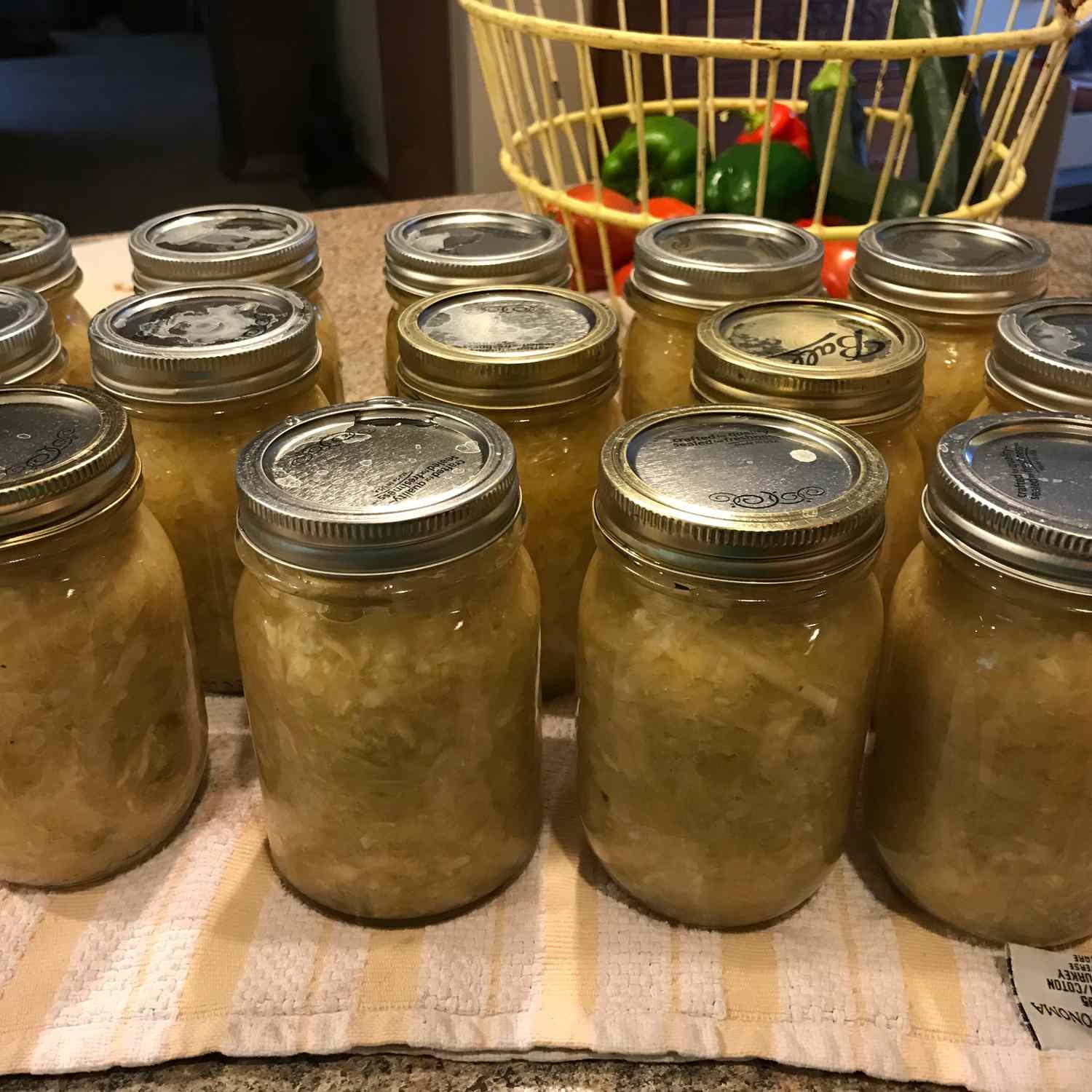
Canning homemade sauerkraut is one of the most rewarding kitchen projects you can ever take on at home. This traditional recipe is all about taking fresh cabbage and converting it into a crispy tangy ferment that lasts for many months in your pantry. Making your own fermented cabbage at home gives you complete control over every single ingredient that goes into your glass jar. You will love watching the quiet transformation of simple raw leaves into a rich gut friendly side dish that enhances almost any dinner table. Many people are discovering that making fermented food from scratch is far more satisfying than purchasing store bought versions from a local grocery store shelf. The natural process relies on helpful bacteria that already live on the surface of raw vegetables to turn natural sugars into pleasant sour acid. Once you learn how to process and store your fermented cabbage correctly through warm water bath heating methods, you will always have a batch ready to serve. This guide is written with clear simple steps so that anyone who is new to preserving can follow along without feeling confused or overwhelmed at any point during the cooking process.
People all around the world absolutely love homemade sauerkraut because the flavor is completely unmatched by anything you can buy in a tin or plastic bag. Store bought varieties are often pasteurized too early or made with quick vinegar solutions that lack the complex deep tang of real natural fermentation. When you craft your own batch from scratch, the crunch stays firm and the sour flavor tastes clean, bright, and vibrant in every single bite. Another big reason people fall in love with this recipe is the incredible feeling of self reliance that comes with preserving fresh garden vegetables. There is something truly special about opening a pantry door and seeing rows of beautiful sealed jars that you prepared with your own hands. Children and adults alike enjoy watching the bubbling process over several days as the fresh vegetables slowly change color and develop their signature aromatic taste. It is an affordable way to eat gourmet quality food every day without spending extra money at specialty health food markets. Once your family tastes the difference between canned store options and real homemade preserved cabbage, they will continuously ask you to make larger batches every single season.
There are so many wonderful reasons to make this recipe, whether you are thinking about your physical health, your family budget, or pure culinary enjoyment. From a wellness perspective, fermented vegetables are widely celebrated for supporting smooth digestive health and feeding the good micro organisms in your stomach. Eating a small spoonful of raw or preserved ferment every day can help you feel lighter and give your body a gentle natural boost of essential nutrients like vitamin C and vitamin K. Beyond fitness and health goals, making sauerkraut is a comforting emotional activity that connects us with traditional kitchen wisdom passed down through generations. It is the perfect project for cool autumn days when cabbage harvests are plentiful and low in cost at your local farmer market. You can prepare large amounts during the peak harvest season and enjoy the crisp tangy taste all through the winter months when fresh produce is hard to find. Bringing a jar of homemade fermented cabbage to a neighborhood dinner or family gathering is also a sweet personal gesture that shows how much you care about sharing wholesome homemade food.
This recipe is especially perfect for busy households because it allows you to meal plan and add quick flavor to boring midweek dinners without any prep time. Adding a spoonful of tangy preserved cabbage to a hot grilled sausage, a warm roasted meat plate, or a crisp fresh salad brings an instant burst of zesty life to your meal. The unique balance of salty, sour, and crunchy elements helps cut through rich fatty foods, making heavy dishes feel much easier to enjoy and digest. Preparing your own jars also helps reduce kitchen food waste because you can preserve leftover green or red heads of cabbage before they go bad in your refrigerator drawer. The minimal ingredient list means you do not need expensive specialized equipment or artificial preservatives to achieve safe long lasting success in your kitchen. Whether you are aiming to eat cleaner, stretch your grocery budget, or simply master an ancient kitchen art, this easy guide will walk you through every single phase with complete ease and joy.
Ingredients You Will Need
To ensure your homemade batch preserves correctly and tastes delicious, you will need fresh, clean ingredients and proper food grade canning salt.
-
Five pounds of fresh green cabbage (about two large firm heads)
-
Three tablespoons of pure non iodized canning salt or coarse sea salt
-
Two teaspoons of whole caraway seeds (optional for traditional warm flavor)
-
One teaspoon of whole mustard seeds (optional for extra subtle spice)
-
Filtered water (kept on hand in case extra liquid is needed)
Step By Step Method
Preparing the Cabbage and Salting
Start by thoroughly washing your hands and making sure all your cutting boards, bowls, and knives are sparkling clean. Remove the tough outer leaves from your cabbage heads and set two or three clean whole leaves aside for later use. Cut each head of cabbage into four equal quarters and carefully trim away the hard center cores. Slice the remaining cabbage quarters into very thin shreds using a sharp chef knife or a kitchen mandoline slicer. Place all the shredded cabbage into a large clean mixing bowl and sprinkle the three tablespoons of non iodized canning salt evenly over the top. If you are using caraway seeds or mustard seeds for extra flavor, toss them into the bowl with the salt now.
Massaging and Drawing Out Natural Juices
Use your clean hands to squeeze and massage the shredded cabbage forcefully for about ten to fifteen minutes. As you squeeze the leaves, the salt will break down the vegetable cells and pull out natural juices, creating a clear liquid brine at the bottom of your bowl. Keep massaging until the volume of the shredded leaves drops by half and a generous amount of liquid collects in the bottom of your bowl. Let the bowl sit at room temperature for fifteen minutes to allow the salt to draw out even more natural liquid. If your cabbage feels dry and does not create enough liquid to cover itself, you can dissolve one teaspoon of salt into one cup of room temperature filtered water to use later.
Packing the Jar for Fermentation
Take a clean wide mouth quart size glass jar and begin pressing the massaged cabbage down into the jar in small layers. Use your knuckles or a wooden spoon to push the leaves down firmly after each addition, packing them tight to force out any trapped air bubbles. Pour all the natural brine from the mixing bowl directly into the glass jar over the tightly packed cabbage. Place one of the whole cabbage leaves that you saved earlier on top of the packed shreds to keep them completely submerged under the liquid line. You can place a small clean glass weight or a heavy glass lid on top to keep all the vegetable pieces down beneath the brine surface.
Monitoring the Natural Fermentation Process
Cover the top of the jar with a piece of clean cloth held in place with a rubber band so air can escape while dust stays out. Place the jar in a cool dark spot in your home where the temperature stays between sixty five and seventy five degrees Fahrenheit. Let the cabbage ferment undisturbed for one to three weeks, checking it daily to ensure the brine completely covers the top leaves. Small bubbles will naturally appear in the liquid as the friendly bacteria start to work and create safe lactic acid. Taste a tiny sample of the ferment after seven days using a clean fork to see if it has reached your preferred level of sour flavor.
Processing and Preserving in a Water Bath
Once the fermented cabbage tastes as sour and crisp as you like, you can preserve it for long term room temperature storage using a water bath heating method. Prepare your hot water canning pot by filling it with clean water and bringing it to a gentle simmer over medium high heat. Transfer your fermented cabbage and its rich liquid into clean heat safe canning jars, leaving one half inch of empty space at the top of each jar. Wipe the glass rims perfectly clean with a damp cloth, place hot flat canning lids on top, and screw the metal bands on until they are fingertip tight. Submerge the filled glass jars completely in the boiling water pot for fifteen minutes if using pint jars, or twenty minutes if using quart jars. Carefully remove the hot jars using a sturdy jar lifter tool and let them sit untouched on a soft kitchen towel for twenty four hours to cool completely and seal shut.
Why This Recipe Is Special
This homemade sauerkraut recipe stands out because it combines pure ancient fermentation techniques with simple safe modern kitchen steps. Unlike commercial brands that often use harsh chemical additives or synthetic vinegar, this method relies entirely on two basic ingredients: fresh whole cabbage and pure clean salt. The process creates natural lactic acid, which gives the final dish its famous mouthwatering tang while naturally preserving the fresh crisp texture of the vegetables. You get a clean, vibrant taste that brightens heavy meals without adding unwanted calories, artificial colors, or hidden extra sugars.
From a health perspective, this traditional food offers fantastic benefits for daily digestion and overall bodily wellness. Fresh cabbage is naturally rich in vital dietary fiber, essential vitamin C, and powerful antioxidants that help support your immune system strength. When fermented, these valuable nutrients become even easier for your human digestive tract to absorb efficiently. Preserving your own fresh garden produce at home also gives you total confidence regarding what your loved ones are consuming every single day.
Extra Tips for Better Taste
To lift the flavor profile of your preserve to an even higher level, you can try introducing colorful and tasty companion vegetables into the mix. Shredding two fresh whole carrots or slicing one medium crisp red apple into the raw cabbage brings a subtle sweetness that balances the sharp acid beautifully. You can also mix half red cabbage and half green cabbage together to create an eye catching bright pink jar that looks stunning on any serving platter. Adding half a teaspoon of crushed juniper berries or a small clove of minced fresh garlic provides a warm earthiness that matches amazingly well with roasted winter dinners.
Always make sure you use pure non iodized salt such as canning salt or sea salt, because iodized table salt can turn your liquid cloudy and prevent healthy bacteria from growing properly. If you notice any floating bits of cabbage rising above the liquid level during the early fermentation days, simply skim them away with a clean spoon to keep your batch smelling fresh and sweet. Keeping your jars in a dark pantry away from direct sunlight preserves the vibrant color and prevents the vegetable leaves from turning soft or yellow over time. Serving your chilled preserves alongside grilled meats, warm grain bowls, or simple breakfast eggs offers a bright crunch that makes everyday meals feel extra special.
Final Thoughts
Taking the time to craft your own canned homemade sauerkraut is a satisfying journey that brings simple food traditions back into your modern kitchen. With basic ingredients and a little bit of patience, you can create delicious shelf stable jars that provide wonderful flavor and nutrition for your whole family all year long. Do not be afraid to experiment with your favorite seeds or sweet vegetable additions as you grow more confident with each new batch you prepare. Enjoy the peaceful process, share your finished jars with friends and neighbors, and savor the rich taste of fresh food made completely from scratch with care.
Nutrition Details
Below is an approximate nutritional breakdown for a standard serving size of this home preserved recipe.
| Nutritional Parameter | Amount Per Serving (One Quarter Cup) |
| Total Calories | 15 kcal |
| Carbohydrates | 3 grams |
| Dietary Fiber | 2 grams |
| Sugars | 1 gram |
| Protein | 1 gram |
| Fat | 0 grams |
| Sodium | 380 milligrams |
| Vitamin C | 20 percent of daily value |
| Vitamin K | 15 percent of daily value |
Disclaimer
Please remember that every person has unique health needs and individual bodily reactions to different foods. While fermented vegetables are a wholesome traditional food enjoyed by many, individual digestive responses can vary based on personal health conditions. If you have specific dietary restrictions, high sodium concerns, or medical issues, please consult with a qualified healthcare professional before making major changes to your daily eating routine. Always follow proper safe food handling and canning safety rules to ensure your homemade food remains clean, fresh, and safe to consume.