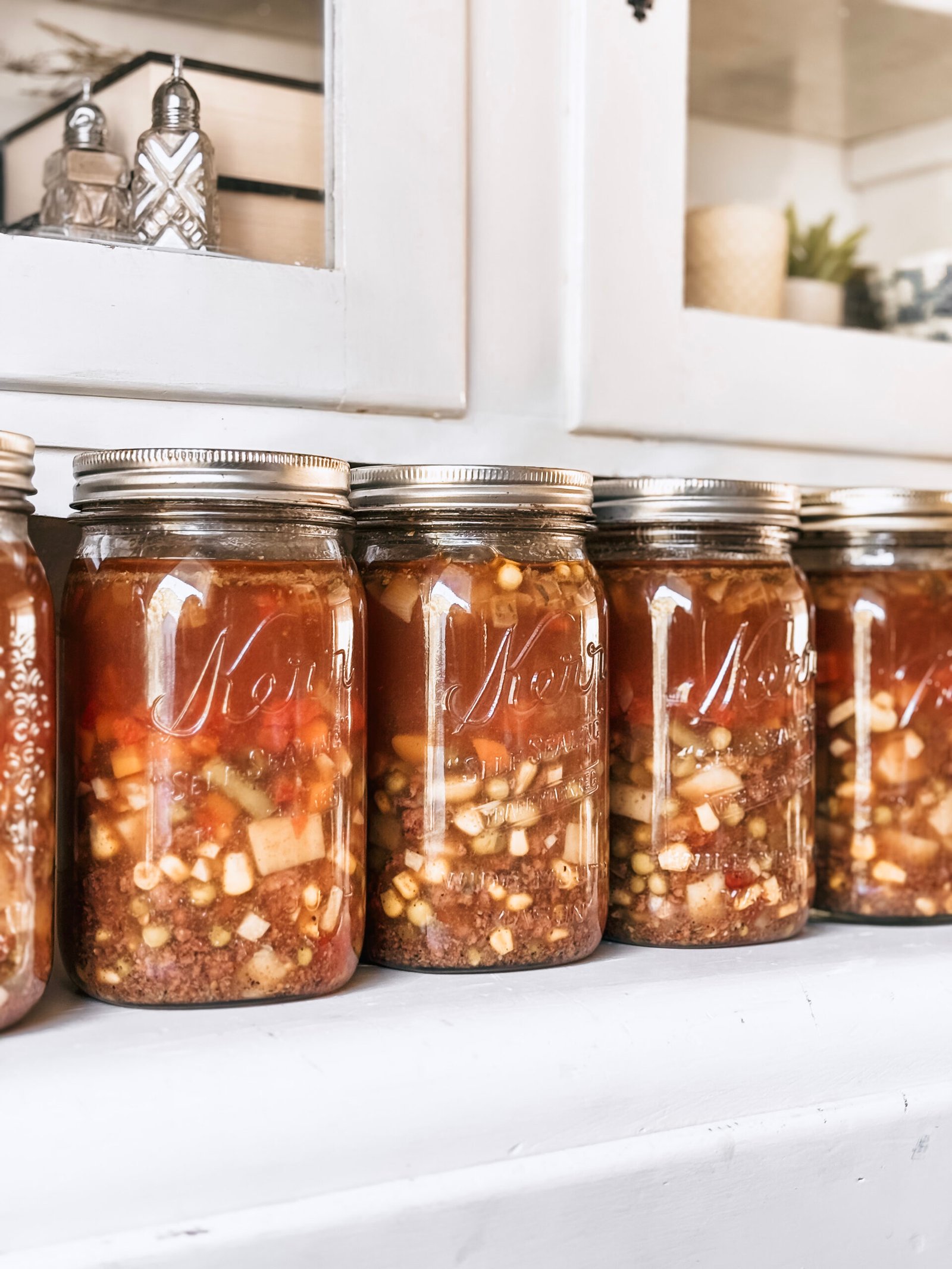
Canning beef and barley soup made in a crock pot is one of the most rewarding kitchen projects you can ever start in your home. This warm and hearty soup brings together rich flavors of tender beef chuck, wholesome pearl barley, fresh garden vegetables, and deeply seasoned broth into a single glass jar. When you take the time to prepare this dish, you are creating a comforting home cooked meal that fills your kitchen with wonderful aromas of slow simmered herbs and savory garlic. Many families enjoy making a large batch of this traditional recipe during the cooler months when fresh crisp air makes everyone crave something hot, rich, and deeply satisfying. Learning how to properly combine crock pot slow cooking with home pressure canning allows you to preserve that fresh cooked taste for many months. You will love opening a home canned jar on a busy weeknight and enjoying a thick, steamy bowl of soup that tastes like it spent all day cooking on the stove. This full detailed guide will teach you every single step so you can safely prepare, cook, and preserve this amazing classic dish right in your own kitchen with complete confidence.
People absolutely love this particular recipe because it combines two amazing kitchen conveniences into one simple cooking routine. First, using a crock pot slow cooker makes the prep work almost effortless while allowing all the natural meat juices and rich earthy barley flavors to blend together perfectly. Second, home canning guarantees that you always have a healthy, warm, quick meal sitting ready on your pantry shelf without needing any chemical preservatives. Food lovers everywhere appreciate the thick texture of soft pearl barley paired with soft melt in your mouth beef chunks and colorful vegetables like sweet carrots, crisp celery, and tender onions. Busy parents, working adults, and home cooks love having nutritious, comforting food ready to heat up in just five minutes on stove top. There is an incredible sense of pride and joy that comes from seeing rows of golden brown jars standing on your kitchen counter, filled with wholesome ingredients that you selected and prepared with your own hands for the people you love.
There are so many wonderful reasons and special occasions to cook and can this delicious beef and barley soup throughout the year. On cold rainy days or freezing winter evenings, nothing warms up your body and soul quite like a steamy bowl of homemade soup served alongside crusty warm bread. It is also an ideal meal for fitness enthusiasts and health conscious individuals who want a clean source of lean protein, complex carbohydrates, and essential diet fiber to power their daily workouts and long busy work days. Emotionally, eating a bowl of slow cooked beef and barley soup often brings back nostalgic memories of family dinners, cozy weekend gatherings, and loving care from childhood homes. It is also a fantastic emergency food supply option, a helpful solution for busy work weeks, or a thoughtful gift to drop off for a neighbor, friend, or relative who needs a warm supporting gesture during a challenging time.
Preparing this classic recipe allows you to take complete control over what goes into your daily food intake while avoiding artificial flavors, hidden chemical additives, and excess sodium found in store bought canned soups. When you craft your own soup batches, you can select the finest grass fed beef, organic root vegetables, and fresh aromatic herbs that nourish your body with pure energy and vital nutrients. The slow cooker gently tenderizes the meat fibers over several hours, ensuring that every bite is rich, moist, and bursting with delicious natural broth flavor. Preserving this soup using a pressure canner locks in all the rich goodness at peak freshness so you can enjoy farm fresh flavor even during the middle of winter. Whether you are an experienced home gardener looking to preserve your harvest or a complete beginner taking your first steps in food preservation, this easy guide will walk you through the whole process with simple clear instructions and fun practical tips.
Ingredients You Will Need
To make a large batch of canned beef and barley crock pot soup, you will need to gather fresh, high quality ingredients. Having everything chopped, measured, and ready before you start cooking will make the process smooth and enjoyable. Here is the full list of ingredients along with clear measurements for your kitchen prep:
-
3 pounds of beef chuck roast, trimmed of excess fat and cut into small bite size cubes
-
1.5 cups of uncooked pearl barley, rinsed thoroughly under cold running water
-
2 tablespoons of olive oil or avocado oil for searing the meat
-
2 large yellow onions, peeled and finely diced
-
4 large carrots, washed, peeled, and sliced into quarter inch rounds
-
4 stalks of fresh celery, washed and chopped into thin pieces
-
4 cloves of fresh garlic, peeled and finely minced
-
8 cups of low sodium beef broth or homemade beef stock
-
2 cups of clean filtered water
-
1 can of tomato paste, 6 ounces size
-
2 bay leaves, whole
-
1 tablespoon of dried thyme leaves
-
1 tablespoon of dried oregano leaves
-
1 tablespoon of sea salt, adjusted to personal taste
-
1 teaspoon of freshly cracked black pepper
-
2 tablespoons of Worcestershire sauce for extra depth of flavor
-
1 cup of frozen sweet peas, added near the end of slow cooking
-
1 cup of diced sweet potatoes, chopped into small uniform cubes
Step by Step Method
Making and canning this soup is an easy process when broken down into clear, manageable steps. Follow these detailed steps to cook your soup in the crock pot and safely preserve it in glass jars.
Step 1: Preparing Your Beef and Vegetables
Begin by taking your beef chuck roast and cutting it into small, uniform cubes about half an inch in size. Small meat pieces ensure even cooking and fit easily into canning jars later. In a large skillet over medium high heat, add two tablespoons of olive oil. Once the oil is shimmeringly hot, add the beef cubes in small batches. Sear the meat until all sides are nicely browned. Browning the meat locks in rich flavor and creates a deep savory taste for the broth. Once browned, transfer the meat directly into your crock pot. In the same skillet, add the diced onions, chopped celery, minced garlic, and sliced carrots. Cook them for about 4 minutes until they soften slightly, scraping up any delicious browned bits from the bottom of the pan. Transfer the softened vegetables into the crock pot along with the beef.
Step 2: Combining Ingredients in the Crock Pot
Now it is time to load the crock pot with remaining ingredients. Add the rinsed pearl barley, diced sweet potatoes, tomato paste, Worcestershire sauce, dried thyme, dried oregano, sea salt, black pepper, and whole bay leaves into the slow cooker. Pour in 8 cups of low sodium beef broth and 2 cups of clean filtered water. Use a large wooden spoon to stir everything together gently until the tomato paste is fully dissolved and all ingredients are evenly distributed throughout the liquid.
Step 3: Slow Cooking to Perfection
Cover your crock pot with its lid and set the temperature. You can cook the soup on the LOW setting for 6 to 8 hours or on the HIGH setting for 3 to 4 hours. The LOW setting is recommended because slow, gentle heat breaks down the tough fibers in the beef roast, making the meat amazingly soft and tender. About thirty minutes before the slow cooking cycle is finished, stir in the frozen sweet peas. Remove and discard the whole bay leaves. Give the soup a gentle taste test and adjust salt or pepper if desired.
Step 4: Preparing Your Canning Equipment
While your soup is finishing in the crock pot, prepare your pressure canning equipment. Inspect your glass canning jars for any cracks or chips along the rims. Wash your pint or quart jars, metal bands, and new canning lids in warm soapy water, then rinse them completely. Place the clean jars in a large pot of hot water or in your warm pressure canner filled with two to three inches of water to keep the jars hot. Keeping jars warm prevents glass thermal shock when filling them with hot soup.
Step 5: Filling the Glass Jars
Carefully remove one hot jar at a time from the hot water using jar tongs. Place a wide mouth canning funnel on top of the jar. Ladle the hot beef and barley soup into the jar, ensuring a balanced mix of meat, barley, vegetables, and broth in every jar. Leave exactly 1 inch of headspace at the top of the jar. Headspace is the empty space between the top of the food and the top of the jar, which is essential for proper vacuum sealing.
Step 6: Removing Air Bubbles and Cleaning Rims
Insert a non metallic bubble remover tool or a clean plastic spatula down into the inside sides of the jar. Move it gently to release any trapped air pockets hidden among the beef and barley pieces. Check the headspace again and add a little more broth if needed to maintain the 1 inch space. Take a clean paper towel dampened with warm water and wipe the rim of each glass jar thoroughly. Removing grease or food particles from the rim ensures a perfect airtight seal. Place a flat lid on top of the jar and screw the metal band down until it is fingertip tight. Do not overtighten the bands.
Step 7: Pressure Canning the Soup Jars
Place the filled jars carefully into your pressure canner containing two to three inches of hot water. Lock the pressure canner lid securely in place. Turn the stove heat to high and allow steam to vent freely from the vent pipe for 10 full minutes. After venting for 10 minutes, place the weighted gauge on the vent pipe or close the petcock. Allow the pressure to rise to 10 pounds of pressure for weighted gauge canners or 11 pounds for dial gauge canners, adjusting for your local elevation if necessary. Process pint jars for 75 minutes or quart jars for 90 minutes at constant pressure.
Step 8: Cooling and Checking the Seals
When the processing time is complete, turn off the heat source completely. Allow the pressure canner to cool down naturally until the pressure gauge reads zero and the safety cover lock drops. Never force cool the canner. Carefully unlock and remove the canner lid, tilting it away from your face to avoid hot steam. Using jar tongs, remove the jars and place them onto a thick towel on your kitchen counter, leaving space between jars. Let them rest undisturbed for 12 to 24 hours. You will hear satisfying popping sounds as the jars seal tightly. Check each lid after 24 hours; the center of the lid should be flat and firm without springing when pressed. Label your sealed jars with the recipe name and date, then store them in a cool, dark, dry pantry.
Why This Recipe Is Special
This homemade canned beef and barley soup stands out as an extraordinary recipe for several reasons. First, it offers superior nutrition compared to standard store bought options. Commercial canned soups are frequently loaded with excess sodium, artificial flavor enhancers, chemical preservatives, and low quality fillers. By making this recipe at home, you use pure whole food ingredients like real beef chuck, fresh vegetables, and whole grain pearl barley. Pearl barley is a fantastic superfood packed with dietary fiber, complex carbohydrates, essential minerals like selenium and magnesium, and B vitamins. Fiber supports smooth digestion, keeps blood sugar levels stable, and helps you feel full and satisfied for hours.
Second, the slow cooker method brings out incredible depth of taste. As the beef cooks slowly over several hours, its natural collagen converts into rich gelatins that thicken the broth and give it a luxurious mouthfeel. The garlic, onions, celery, and sweet root vegetables caramelize and release their natural sweetness into the savory beef stock. The barley absorbs all these rich flavors like a sponge, becoming tender and savory in every single bite.
Third, home canning gives you ultimate kitchen convenience and peace of mind. Having pre cooked, ready to eat meals stored in your pantry means you can enjoy a hearty, homemade dinner in minutes without cooking from scratch or ordering expensive takeaway food. It is cost effective, reduces food waste, and provides a reliable food supply for your household during winter storms or busy schedules.
Extra Tips for Better Taste
If you want to take the flavor of your beef and barley soup to an even higher level, try these creative kitchen tips:
-
Use Bone Broth for Extra Richness: Instead of standard beef broth, use rich homemade beef bone broth. Bone broth contains natural gelatin and deep marrow flavor that makes the soup texture noticeably richer and more delicious.
-
Searing the Meat Thoroughly: Do not rush the browning step. Take time to brown the beef cubes deeply on all sides in small batches. The golden crust that forms on the meat through browning creates complex flavor molecules that elevate the entire broth.
-
Deglaze the Pan: After searing your beef and sauteing your aromatics, pour half a cup of warm water or beef stock into the hot skillet. Use a wooden spatula to scrape up all the delicious crispy bits stuck to the bottom of the pan, then pour this flavorful liquid directly into your crock pot.
-
Add Fresh Herbs Before Serving: While dried thyme and oregano cook beautifully in the slow cooker, adding a sprinkle of freshly chopped flat leaf parsley or fresh chives right when you heat up a jar to serve adds a bright, fresh finish.
-
Enhance Umami Flavors: For an extra burst of savory flavor, add a teaspoon of soy sauce or a splash of fish sauce along with the Worcestershire sauce. These ingredients enhance the meaty umami notes without making the soup taste fishy or overly salty.
-
Careful Barley Measurement: Remember that barley expands significantly as it absorbs liquid during cooking and canning. Stick strictly to the recommended barley quantity so your soup maintains a perfect balance of rich broth and solid ingredients rather than turning into thick porridge.
Final Thoughts
Canning beef and barley soup in a crock pot is a wonderful culinary skill that combines the rustic comfort of slow cooking with the practical benefits of home food preservation. Preparing this dish fills your home with comforting aromas and fills your pantry shelves with delicious, healthy meals that your family can enjoy anytime. Taking a few hours on a quiet weekend to make a large batch pays off in countless quick, warm, and comforting weeknight dinners throughout the year. As you master this easy recipe, you will build confidence in your cooking and canning skills while creating wholesome food made with genuine care. Gather your ingredients, set up your crock pot, and enjoy the rewarding journey of making your own delicious canned beef and barley soup today.
Nutrition Details
Here is the detailed nutritional breakdown for this homemade beef and barley soup. Values are provided per serving, assuming a full batch yields 8 generous servings of approximately two cups each:
| Nutrient | Amount Per Serving |
| Serving Size | 2 cups |
| Calories | 345 |
| Total Fat | 11 g |
| Saturated Fat | 4 g |
| Trans Fat | 0 g |
| Cholesterol | 65 mg |
| Sodium | 580 mg |
| Total Carbohydrates | 38 g |
| Dietary Fiber | 7 g |
| Sugars | 5 g |
| Protein | 26 g |
| Vitamin D | 0.2 mcg |
| Calcium | 55 mg |
| Iron | 3.8 mg |
| Potassium | 620 mg |
This nutritional profile makes the recipe an exceptionally balanced meal option. It provides a generous 26 grams of high quality muscle building protein along with 7 grams of gut healthy dietary fiber per bowl. The moderate calorie count of 345 per serving allows it to fit easily into weight management plans while providing long lasting energy through complex carbohydrates.
Disclaimer
This article and recipe are intended strictly for educational and informational purposes. Everyone has unique health needs, dietary requirements, and physical conditions, so individual nutritional results may vary. Always follow current guidelines from certified food safety authorities when pressure canning foods at home to ensure proper processing times and safety standards. If you have specific medical conditions, food allergies, or dietary concerns, please consult with a qualified doctor, registered dietitian, or health professional before making major changes to your diet or food preparation practices.