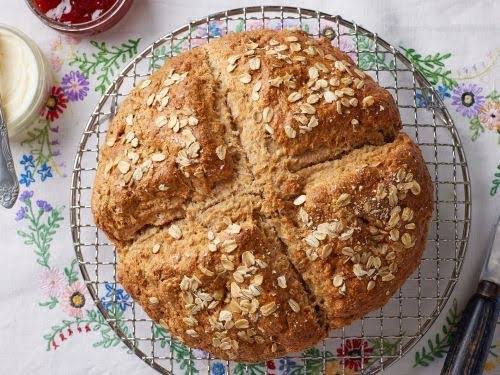
Welcome to a wonderful world of simple home baking where cozy kitchen smells fill every single room in your house. Today we are talking about a fantastic loaf that combines the ancient traditions of classic Irish baking with the clever modern trick of saving your leftover sourdough starter. This sourdough discard Irish brown soda bread recipe is absolute magic for anyone who loves rustic home baked bread but does not want to wait around for many hours while yeast slowly rises. Classic soda bread has always been famous across Ireland for its dense texture, rich nutty flavor, and incredible crust that crunches softly with every single bite. By adding your extra sourdough discard into this traditional brown bread mixture, you create a whole new level of deep flavor and gentle tanginess that turns a humble loaf into a gourmet treat. You do not need any fancy baking tools or professional skills to make this bread turn out perfectly on your very first try. It is an honest and hearty loaf that brings pure comfort to your breakfast table, lunch tray, or cozy dinner bowl of warm soup. Every single slice offers a wonderful balance of earthy whole wheat goodness mixed with a pleasant sourdough tang that makes you want to reach for another warm piece immediately.
People all around the world absolutely fall in love with this special bread recipe for so many fantastic reasons that go far beyond its simple preparation. First of all, it solves one of the biggest problems that every home sourdough baker faces on a weekly basis, which is what to do with all that leftover sourdough discard. Instead of throwing your valuable starter down the kitchen sink drain, you can instantly turn it into a beautiful loaf of dark brown rustic bread in less than one hour total time. People also adore this bread because it requires no yeast at all, which means you never have to spend hours waiting for dough to rest, stretch, fold, or rise up in a warm room. The chemical reaction between simple baking soda and the natural acids inside buttermilk and sourdough discard creates all the light lift and soft crumb structure that you need naturally. Furthermore, family members and guests always love the amazing texture of Irish brown soda bread, which features a crisp outer crust wrapped around a moist and tender center filled with hearty coarse grains. It is the ultimate comfort food because it feels like a genuine taste of old country tradition served straight from a cozy farmhouse kitchen.
There are so many wonderful moments and personal reasons to bake this comforting loaf, whether you are looking for a quick fitness friendly carb or a cozy emotional treat. On cold rainy mornings when you crave something hot and filling, slicing into a freshly baked piece of brown soda bread spread with rich creamy butter is pure magic. If you are focused on healthy living and clean eating, this bread is a fantastic source of natural fiber, whole grains, and simple wholesome ingredients without any commercial preservatives or artificial additives. It gives long lasting energy that keeps your body feeling satisfied and strong throughout a busy workday without causing quick energy crashes or sugar spikes. You can serve it alongside a steaming bowl of hot beef stew, vegetable soup, or freshly scrambled eggs during family weekend gatherings or relaxed holiday breakfasts. Many bakers also find deep peace and joy in the simple act of mixing dough by hand, feeling the warm texture of whole grains, and sharing fresh homemade food with the people they love most. No matter your motivation, pulling this golden brown round loaf out of your hot oven fills your heart and home with pure happiness.
As you step into your kitchen to prepare this wonderful bake, you will quickly notice how relaxing and rewarding the whole process truly is from start to finish. Unlike tricky yeast breads that demand precise temperatures, long kneading sessions, and careful timing, this Irish brown bread recipe is completely forgiving and beginner friendly in every way. It invites you to slow down, enjoy the natural aromas of whole wheat and sour discard, and connect with a time honored baking technique that generations of families have cherished. The mixture comes together in just one large mixing bowl using basic pantry staples that you likely already have stored in your kitchen cupboards right now. Once you experience how effortless it is to create a baker quality loaf in under sixty minutes, this recipe will quickly become a regular part of your weekly meal planning routine. It is wonderful for busy parents, hard working professionals, students on a budget, or anyone who wants fresh homemade bread without devoting their entire weekend to the kitchen. Get your apron ready, turn on your oven, and prepare to make a delicious piece of Irish baking tradition that your whole family will ask for again and again.
Ingredients You Will Need
To make this delicious sourdough discard Irish brown soda bread, you only need a few simple and honest ingredients. Using good quality whole grains and fresh dairy will give you the absolute best flavor and texture. Here is the full list of everything you need to gather on your kitchen counter before you begin baking:
-
Whole Wheat Flour: 2 cups (240 grams). You can use standard whole wheat flour or coarse Irish brown flour if you can find it. Whole wheat flour provides the rich, earthy, nutty flavor and dark brown color that makes traditional soda bread so special.
-
All Purpose Flour: 1 cup (120 grams). Adding a bit of white all purpose flour helps soften the texture of the bread so it does not become too dense or heavy.
-
Rolled Oats: 1/2 cup (45 grams) plus 1 extra tablespoon for topping. Old fashioned rolled oats add a lovely texture, nice chew, and beautiful rustic look to the top of your loaf.
-
Baking Soda: 1 teaspoon (5 grams). This is your main rising agent. Make sure your baking soda is fresh so it reacts properly with the acid in the discard and buttermilk.
-
Fine Sea Salt: 1 teaspoon (5 grams). Salt is essential for enhancing the natural grain flavor and balancing the sour tang of the discard.
-
Unsalted Butter: 3 tablespoons (42 grams), very cold and cut into small cubes. Cold butter creates tiny pockets of steam as the bread bakes, resulting in a lighter and more tender crumb.
-
Sourdough Discard: 1 cup (227 grams), unfed and pulled straight from your refrigerator or sitting at room temperature. This adds moisture, structure, and a deep tangy flavor.
-
Buttermilk: 3/4 cup to 1 cup (180 to 240 milliliters), cold whole buttermilk. Buttermilk provides the necessary acid to activate the baking soda while keeping the bread incredibly soft inside.
-
Honey or Brown Sugar: 1 tablespoon (15 to 20 grams). A tiny touch of natural sweetness balances the natural acidity of the sourdough discard and buttermilk without making the bread taste sweet.
-
Egg (Optional): 1 large egg. Adding an egg creates a slightly richer dough with extra stability, though traditional Irish recipes often skip it. You can choose to use it or leave it out based on your preference.
Step by Step Method
Baking this classic loaf is pure joy because it requires no yeast, no waiting for dough to rise, and no heavy physical kneading. Follow these simple steps carefully, and you will have a beautiful homemade loaf ready in no time.
Step 1: Preheat Your Oven and Prepare Your Pan
Start by preheating your oven to 400 degrees Fahrenheit (200 degrees Celsius). It is very important that your oven is fully heated before your dough goes inside because soda bread needs immediate high heat to activate the baking soda and rise properly. Line a large baking sheet with parchment paper, or grease a heavy cast iron skillet with a little bit of butter or vegetable oil. A cast iron skillet works wonderfully because it distributes heat evenly and produces a stunning, extra crispy bottom crust.
Step 2: Mix the Dry Ingredients
In a large mixing bowl, combine the whole wheat flour, white all purpose flour, rolled oats, baking soda, and fine sea salt. Use a wire whisk or a fork to stir all the dry ingredients together for about one minute. This ensures that the baking soda and salt are distributed evenly throughout the flour mixture, which prevents any bitter spots in your finished bread.
Step 3: Cut in the Cold Butter
Drop the small cubes of cold butter directly into your flour mixture. Using your clean fingers, a pastry cutter, or two forks, rub the butter into the flour until the mixture looks like coarse breadcrumbs with a few pea sized pieces of butter remaining. Work quickly so that the heat from your hands does not melt the butter completely. These cold bits of butter will melt during baking and create tiny airy pockets inside your loaf.
Step 4: Combine the Wet Ingredients
In a separate medium bowl or liquid measuring cup, pour in your sourdough discard, cold buttermilk, honey, and egg if you are using one. Whisk these liquid ingredients together until the sourdough discard dissolves into the buttermilk and the mixture becomes smooth and cream colored.
Step 5: Merge Wet and Dry Mixtures
Make a well or hollow space in the center of your dry flour mixture. Pour the wet liquid mixture straight into the center well. Using a sturdy wooden spoon or a flexible rubber spatula, gently fold the ingredients together just until a shaggy dough starts to form. Be very careful not to overmix the dough. Overworking soda bread dough develops too much gluten, which can make your bread tough and heavy instead of tender and light.
Step 6: Form and Shape the Loaf
Turn the shaggy dough out onto a lightly floured kitchen counter or cutting board. With clean, lightly floured hands, gently bring the dough together and fold it over on itself three or four times until it holds together in a soft ball. Shape it gently into a round dome about six or seven inches in diameter. Transfer the shaped round loaf onto your parchment lined baking sheet or prepared cast iron skillet.
Step 7: Score the Traditional Cross
Using a sharp chef knife or a razor blade, cut a deep cross shape into the top center of your dough dome, cutting about three quarters of an inch deep. This famous Irish cross cut is not just for decoration. It allows heat to penetrate deep into the thickest part of the loaf so it bakes evenly without bursting at the sides. Traditionally, people also said cutting the cross let the fairies out and blessed the home with good fortune!
Step 8: Top and Bake
Brush the top of your loaf lightly with a tablespoon of extra buttermilk, and sprinkle the remaining tablespoon of rolled oats over the top, pressing them gently into the dough so they stick. Place the bread into the center rack of your preheated oven. Bake at 400 degrees Fahrenheit (200 degrees Celsius) for about 35 to 45 minutes. The bread is done when the crust is a deep golden brown color, and the bottom sounds hollow when you tap it gently with your knuckles.
Step 9: Cool and Rest
Remove the hot bread from the oven and carefully transfer it to a wire cooling rack. Allow the loaf to cool down for at least 20 to 30 minutes before slicing into it. While it is tempting to cut into hot bread immediately, letting it rest allows the steam inside to settle, ensuring your slices stay soft, structured, and perfectly cooked without becoming gummy.
Why This Recipe Is Special
This sourdough discard Irish brown soda bread recipe is a true treasure in the kitchen because it offers an incredible mix of history, convenience, health, and amazing flavor. Here are the top reasons why this recipe deserves a permanent spot in your baking notebook:
Zero Food Waste
Every sourdough baker knows the guilt of throwing away starter discard during regular feedings. This recipe turns what would be food waste into a rich, nourishing loaf of bread. It gives new life to your leftover sourdough starter without wasting flour or water.
Gentle on Digestion
Whole wheat flour contains rich dietary fiber, but it can sometimes feel heavy. The addition of fermented sourdough discard helps break down some of the complex starches and phytic acid in the wheat. This process makes the whole grains much easier on your stomach and easier for your body to digest smoothly.
Fast and Effortless
Traditional yeast sourdough can take anywhere from 12 to 36 hours from start to finish. This brown soda bread requires absolutely no proofing time, no autolyse, and no stretch and folds. You can mix it, shape it, and bake it all within one single hour, making it ideal for busy weekdays or quick weekend meals.
Wonderful Texture and Taste Complexities
The combination of hearty whole wheat, creamy butter, rolled oats, acidic buttermilk, and sour discard produces an extraordinary depth of flavor. You get a thick, crunchy outer crust that contrasts beautifully with a soft, moist, nutty crumb on the inside. Every slice offers a delightful sour note balanced by subtle whole grain sweetness.
Nutrient Packed Whole Grains
Unlike white commercial breads filled with refined sugars and preservatives, this loaf is packed full of genuine whole food nutrients. It provides natural B vitamins, essential minerals like magnesium and iron, dietary fiber, and healthy slow digesting carbohydrates that fuel your body with steady, lasting energy throughout your day.
Extra Tips for Better Taste
Want to make your homemade soda bread taste like it came straight from an authentic Irish bakery? Here are some simple, creative tips to elevate your baking results:
-
Do Not Overwork the Dough: The number one secret to perfect soda bread is a light touch. Treat the dough gently and stop mixing the moment the dry flour disappears. Overhandling makes the bread dense and gummy.
-
Use Real Whole Buttermilk: High fat, real cultured buttermilk gives the best tenderness and flavor. If you do not have buttermilk, you can make a quick substitute by mixing one tablespoon of fresh lemon juice or white vinegar into one cup of whole milk and letting it sit for five minutes.
-
Toast Your Oats and Seeds: For an extra nutty crunch, toast your rolled oats in a dry pan over medium heat for three minutes before adding them to your dry ingredients. You can also mix in two tablespoons of toasted sunflower seeds, flax seeds, or caraway seeds for extra crunch and herbal aroma.
-
Keep Your Butter Extra Cold: Cold butter creates microscopic steam pockets as it melts in the hot oven, giving your dense brown bread a lighter, airier internal crumb structure.
-
Add a Touch of Dried Fruit or Nuts: If you enjoy a slightly sweet soda bread, fold in a half cup of dried raisins, dried cranberries, or chopped walnuts right when you add the wet ingredients.
-
Wrap in a Clean Kitchen Towel: If you prefer a softer outer crust rather than a super crunchy one, wrap the hot loaf loosely in a clean, cotton kitchen towel as soon as it comes out of the oven and let it cool inside the towel.
Final Thoughts
Baking your own sourdough discard Irish brown soda bread is one of the most satisfying and simple kitchen accomplishments you can experience. It bridges the gap between old world hearth baking and modern zero waste kitchen practices, giving you a fresh, warm, wholesome loaf in under an hour. Whether you slather a warm slice with salted Irish butter, drizzle it with golden wildflower honey, or serve it alongside a steaming bowl of homemade soup, this bread is guaranteed to bring warmth and happiness to your home. Do not be afraid if your loaf looks rustic and rough on the outside because that uneven charm is exactly what authentic Irish soda bread is supposed to look like. Turn on your oven, grab your sourdough discard, and enjoy every single slice of this delicious homemade creation!
Nutrition Details
Here is an estimated nutrition overview for this whole grain sourdough discard Irish brown soda bread. These values are calculated per serving, assuming the loaf is sliced into 10 equal pieces.
Nutrition Table Per Serving
| Nutrient | Amount Per Serving |
| Calories | 185 kcal |
| Total Carbohydrates | 32 grams |
| Dietary Fiber | 4 grams |
| Sugars | 3 grams |
| Protein | 6 grams |
| Total Fat | 4.5 grams |
| Saturated Fat | 2.5 grams |
| Cholesterol | 20 milligrams |
| Sodium | 340 milligrams |
| Potassium | 160 milligrams |
| Calcium | 45 milligrams |
| Iron | 1.8 milligrams |
Additional Nutritional Highlights
-
Rich in Fiber: Thanks to whole wheat flour and rolled oats, two slices provide a healthy portion of your daily recommended dietary fiber, supporting healthy digestion.
-
Sustained Energy: The complex carbohydrates found in brown whole grains digest slowly, providing long lasting energy without sharp blood sugar spikes.
-
Low Added Sugar: This loaf relies on natural grain flavors and a tiny touch of honey, keeping added sugars extremely low compared to store bought packaged breads.
Disclaimer
This recipe and the accompanying nutritional information are provided for general educational and cooking enjoyment purposes only. Nutritional values are estimations calculated using standard ingredient databases and may vary based on the specific brands, ingredient substitutions, or portion sizes you use at home. Everyone’s body, health conditions, dietary needs, and digestion are completely different, and personal health results from eating specific foods may change from person to person. If you have specific dietary restrictions, wheat sensitivities, celiac disease, or underlying health conditions, please consult with a qualified medical professional or certified nutritionist before making changes to your regular diet.