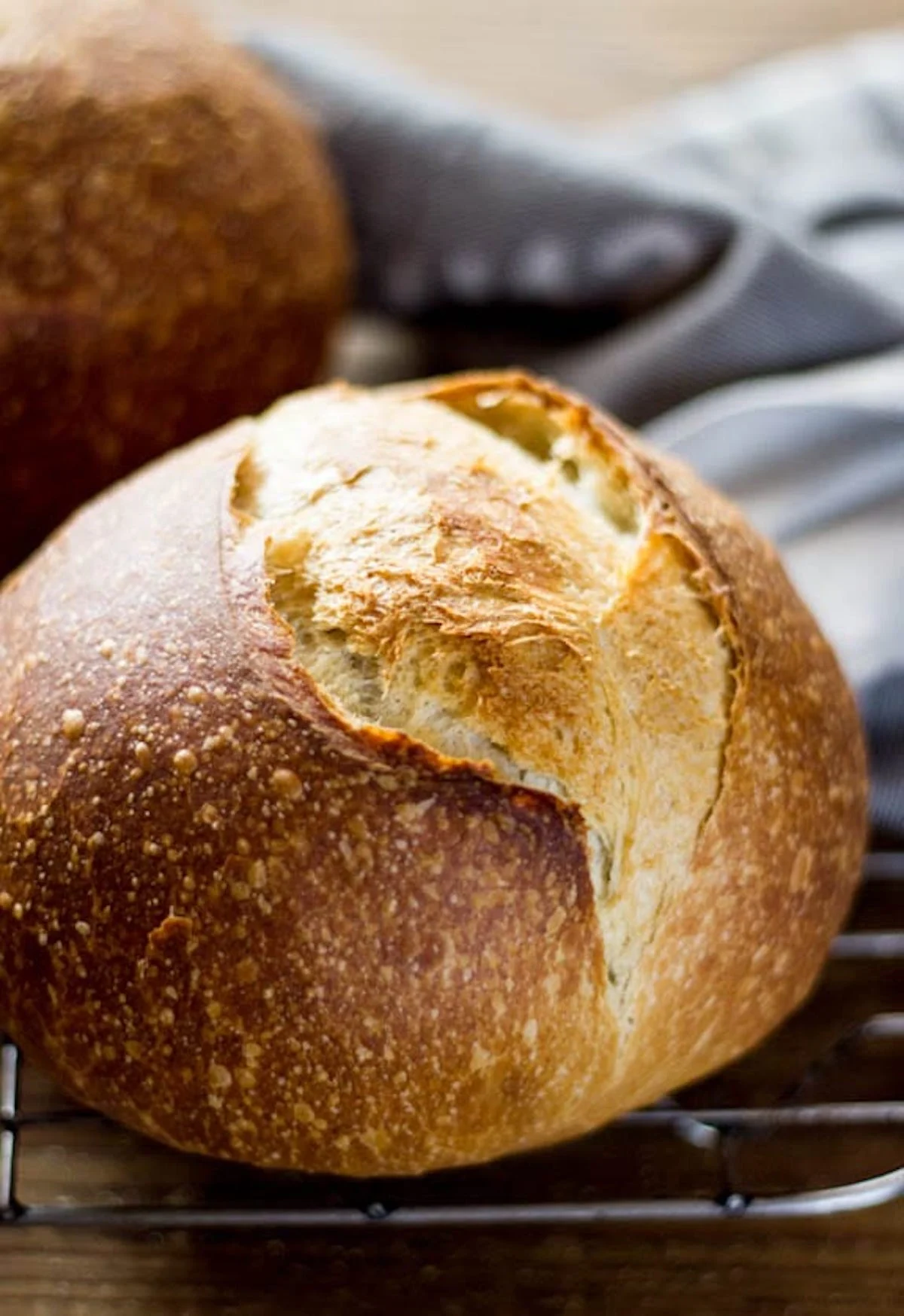
People all over the world fall deeply in love with sourdough bread for many wonderful reasons that go far beyond its delicious taste. The moment you pull a freshly baked loaf out of your oven and hear its outer crust crackle as it cools down, you will understand the magical charm of this baking style. The texture is truly unbelievable, featuring a deeply golden, crunchy exterior that contrasts perfectly with a chewy, pillowy interior filled with beautiful air pockets. Beyond the amazing crunch and chew, the flavor is what truly sets sourdough apart from every other type of bread on the planet. It delivers a gentle, pleasant tanginess that wakes up your taste buds without overpowering your palate, making every single bite feel special and rewarding. Furthermore, people love the pure satisfaction of creating something so remarkably flavorful out of nothing more than flour, water, and sea salt. It offers a genuine feeling of personal pride and achievement that buying a plastic wrapped loaf from the supermarket simply cannot provide.
Baking a fresh loaf of sourdough bread is an emotional, relaxing, and healthy journey that fits wonderfully into many different moments of your weekly life. Many home bakers find that mixing, stretching, and folding the dough acts as a peaceful therapeutic ritual that helps them slow down and relieve daily stress. It is a fantastic weekend project to prepare when you want your home to smell like a warm professional bakery full of comforting aromas. From a fitness and health perspective, sourdough is an absolute favorite choice for people who want to nourish their bodies with wholesome, natural foods. The natural fermentation process breaks down much of the gluten and phytic acid present in wheat flour, making it significantly easier on your digestive system compared to standard bread. Whether you want to feed your family nutritious meals, impress your close friends at a weekend dinner party, or simply enjoy a mindful activity away from digital screens, baking sourdough fits your lifestyle perfectly.
There is also something deeply comforting about sharing a fresh slice of handmade sourdough with the people you care about most in this world. Imagine cutting into a warm loaf on a quiet Sunday morning, spreading rich creamy butter over the surface, and watching it melt into every little open pocket. It creates genuine core memories around the kitchen table and brings loved ones together over a shared love for wholesome homemade food. Eating a slice before a morning workout gives your body long lasting, sustainable energy without causing a sharp spike in your blood sugar levels. It satisfies your stomach while comforting your soul, offering a healthy balance between absolute taste pleasure and clean nutritional benefits. Once you master this classic recipe, you will likely find yourself looking forward to baking day every week as a highlight of your home cooking routine.
Ingredients You Will Need
To bake a perfect loaf of traditional sourdough bread, you will need the following simple ingredients measured accurately by weight:
-
Active Sourdough Starter: 100 grams (bubbly and well fed)
-
Warm Water: 350 grams (filtered water works best)
-
Bread Flour: 500 grams (unbleached with high protein content)
-
Fine Sea Salt: 10 grams
Step by Step Method
Why This Recipe Is Special
This sourdough bread recipe is truly unique because it uses natural fermentation instead of quick industrial yeasts. The long fermentation time gives wild bacteria the opportunity to process the natural sugars and proteins inside the wheat flour. As a result, the nutrients inside the grain become far more accessible for human absorption. Key minerals like iron, zinc, and magnesium bind less to phytic acid during sourdough fermentation, which helps your digestive tract absorb these essential nutrients much more efficiently than from conventional standard loaves.
Additionally, the natural lactic acid bacteria produced during the long rising process lower the ph value of the dough. This mild acidity creates a friendly environment for good gut microbes while breaking down complex gluten bonds into smaller, simpler protein chains. Many people who feel heavy, bloated, or uncomfortable after consuming commercial store bought white bread discover that they can enjoy authentic sourdough without any discomfort. The lower glycemic impact of sourdough also helps maintain stable energy levels, preventing sudden blood sugar spikes and energy crashes later in the afternoon.
From a culinary standpoint, the taste profile of this loaf is unmatched by modern quick baking methods. The combination of a deeply caramelised, crispy outer crust and a open, moist interior creates an incredible mouthfeel in every single bite. It requires no artificial preservatives, additives, commercial oils, or added refined sugars to stay fresh and taste delightful. You are consuming pure, simple, real food made from basic earth ingredients just as nature intended.
Extra Tips for Better Taste
-
Use filtered water whenever possible because chlorine found in standard tap water can slow down or weaken your wild sourdough starter.
-
Add a small portion of whole wheat flour or rye flour to your main mix to create a deeper, nuttier flavor profile.
-
Dust your proofing basket with rice flour instead of wheat flour because rice flour contains zero gluten and guarantees your dough will never stick to the basket towel.
-
Do not rush the cooling process after baking your loaf; cutting into hot sourdough traps steam and makes the inside texture gummy and dense.
-
Bake your loaf until it reaches a dark amber shade rather than a pale yellow color, as the caramelisation on the crust brings out intense nutty flavors.
-
Store your sliced bread in a paper bag or a wooden bread box at room temperature rather than the fridge to keep the crust delightfully crisp.
Final Thoughts
Baking your own sourdough bread at home is a deeply peaceful and satisfying skill that brings pure joy back into your kitchen. While the multi step process takes patience and a bit of practice, the reward of pulling a steaming, golden brown artisan loaf out of your warm oven makes every single minute worthwhile. Do not feel discouraged if your first attempt is not visually perfect; every loaf you bake teaches you more about dough texture, timing, and temperature. Enjoy the calming process, share fresh warm slices with your family, and celebrate the ancient culinary magic of homemade sourdough bread.
Nutrition Details
Here is the approximate nutritional breakdown per serving based on a standard single loaf cut into ten equal slices:
| Nutrient | Amount Per Serving |
| Serving Size | 1 slice (approx. 80g) |
| Calories | 185 kcal |
| Total Fat | 0.8 grams |
| Saturated Fat | 0.1 grams |
| Sodium | 390 milligrams |
| Total Carbohydrates | 36 grams |
| Dietary Fiber | 2 grams |
| Sugars | 0.5 grams |
| Protein | 7 grams |
| Calcium | 12 milligrams |
| Iron | 1.8 milligrams |
| Potassium | 75 milligrams |
Disclaimer
Everyone’s body is unique and individual digestive responses to fermented foods or gluten containing grains can vary from person to person. While traditional sourdough fermentation generally makes wheat easier to digest for many individuals, it is not gluten free and is not suitable for individuals diagnosed with celiac disease. The nutritional values listed above are general estimates based on standard flour brands and standard slice sizes; actual nutritional counts may change depending on your specific ingredients, hydration levels, and exact portion sizes.