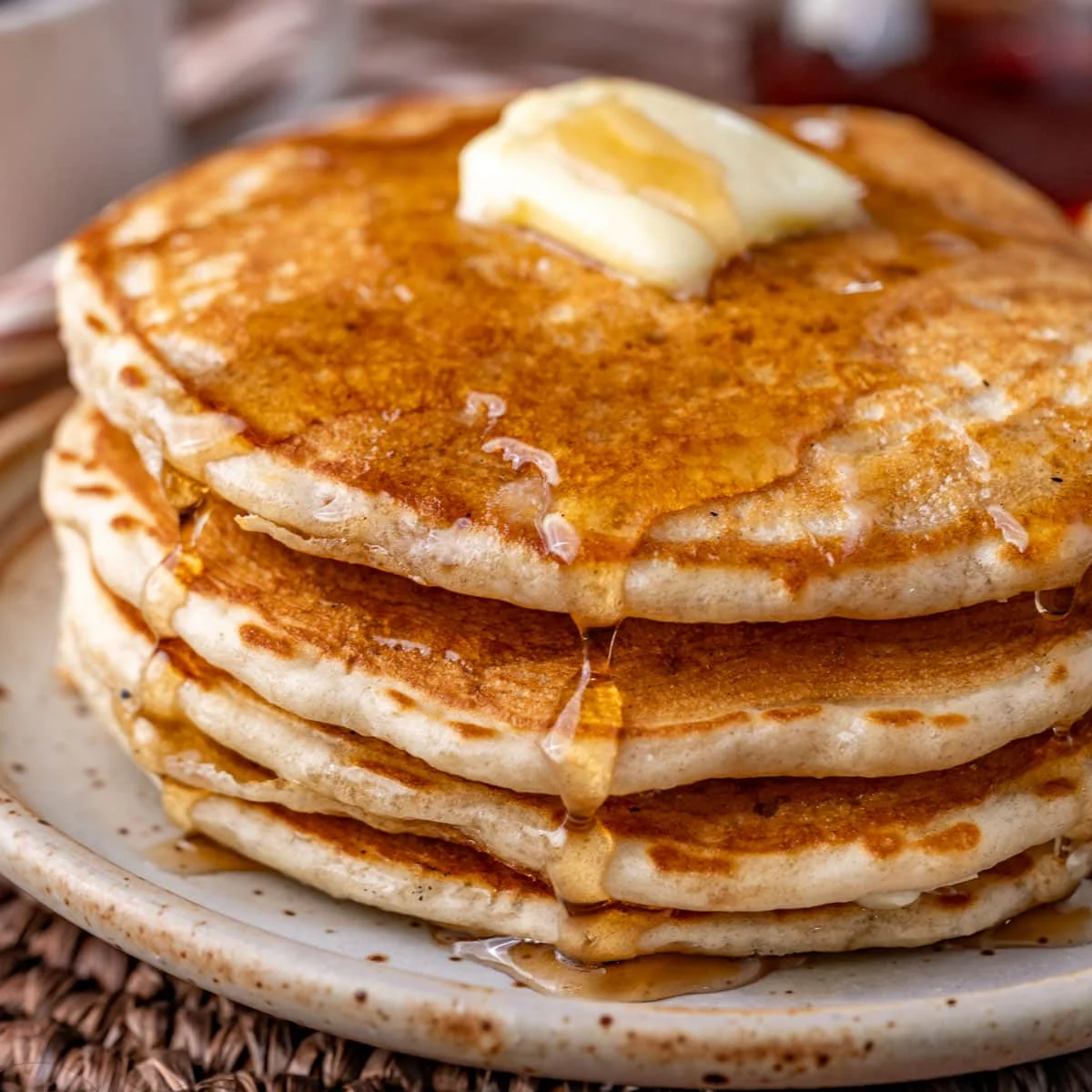
Sourdough pancakes are a wonderful breakfast option that combines the traditional cozy feeling of a warm morning meal with a unique twist of flavor. If you have ever used a sourdough starter to bake fresh bread, you already know how special that natural fermentation process can be for your food. When you take that same active starter or even discard starter and mix it into a simple pancake batter, magic happens in your kitchen bowl. The batter becomes light, fluffy, and full of soft bubbles that create the most wonderful texture once cooked on a hot skillet. Many people discover sourdough pancakes when they are looking for creative ways to use up extra starter so nothing goes to waste in their kitchen. Once they try this dish for the first time, it quickly becomes a standard weekend ritual that everyone in the house looks forward to enjoying together around the breakfast table.
People absolutely love sourdough pancakes because they bring a rich depth of flavor that standard milk and flour flapjacks simply cannot match. Traditional pancakes are often sweet and plain, relying almost entirely on syrup or toppings to give them excitement. Sourdough pancakes offer a completely different experience because the base itself is packed with natural tangy notes and complex butteriness. The exterior cooks up with a golden brown edge that gives a tiny bit of crispiness, while the inside remains pillowy soft and airy. Children and adults alike enjoy how these pancakes seem to melt in your mouth while holding up beautifully under heavy drizzle of warm maple syrup, fresh berries, or melted butter. Beyond the incredible texture, there is something deeply satisfying about making food from scratch using natural wild yeast processes that have nourished families for generations across different cultures.
Making sourdough pancakes is perfect for quiet Sunday mornings when you want to slow down and savor time with your family or friends. It is also an ideal meal choice when you need a hearty breakfast that gives you steady energy for a busy day of activities or outdoor exercise. The slow fermentation process helps break down grains, which many people find much gentler on their stomach compared to quick quick-mix batters made with artificial rising agents. Preparing this recipe connects you to the warm emotion of home cooking, filling your entire kitchen with a comforting bakery aroma that naturally brings people out of bed with big smiles. Whether you are fueling up for a long morning workout, hosting a relaxed holiday brunch, or just trying to live a more mindful lifestyle with real homemade ingredients, this simple pancake recipe fits your goals seamlessly.
Understanding the sourdough pancakes taste is the biggest secret to why so many home cooks fall completely in love with this breakfast dish. The primary flavor profile is a pleasant mix of slight sourness and rich creaminess, balanced by the natural sweetness of grain. Unlike sharp vinegar, the tangy notes here are mild, smooth, and refreshing, reminiscent of fine yogurt or rich buttermilk. When cooked properly on a well greased skillet, the natural sugars caramelize to create a lovely toasted nut flavor around the edges. Every bite delivers a harmonious blend where the tangy background enhances sweet syrup or fruit toppings instead of competing with them. Once you experience this perfect balance between savory depth and gentle sweetness, regular pancake mix will simply never taste the same again to your morning palate.
Ingredients You Will Need
To make these delicious sourdough pancakes from scratch, gather these simple ingredients in your kitchen:
-
Sourdough Starter (Discard or Active): 1 cup (about 240 grams)
-
All Purpose Flour: 1 cup (about 120 grams)
-
Whole Milk or Buttermilk: 1 cup (240 milliliters)
-
Granulated Sugar or Honey: 2 tablespoons (30 grams)
-
Large Eggs: 2 whole eggs at room temperature
-
Melted Unsalted Butter: 4 tablespoons (60 milliliters), cooled slightly
-
Baking Powder: 1 teaspoon (5 grams)
-
Baking Soda: 1/2 teaspoon (2.5 grams)
-
Fine Sea Salt: 1/2 teaspoon (2.5 grams)
-
Pure Vanilla Extract: 1 teaspoon (5 milliliters)
-
Extra Butter or Neutral Oil: 2 tablespoons for greasing the skillet
Step by Step Method
Why This Recipe Is Special
This sourdough pancake recipe stands out because it offers superior taste, texture, and nutritional value compared to fast standard pancake mixes. Here is why it deserves a permanent spot in your cooking routine:
Rich and Complex Flavor
The natural sourdough fermentation produces lactic and acetic acids that lend a distinct buttermilk style tang. This subtle sour tone cuts through heavy maple syrup, making every single bite balanced and enjoyable without feeling overly sugary.
Soft and Airy Texture
The chemical reaction between acidic sourdough discard and alkaline baking soda creates millions of tiny carbon dioxide gas pockets. This lifts the heavy flour grains into ultra light, fluffy pancakes that never turn dense or gummy in the middle.
Easier Digestive Process
Fermentation allows natural micro organisms to pre digest proteins and break down complex starches present in wheat flour. Because of this long breakdown period, many people experience far less bloating and enjoy a light, easy sensation in their stomach after eating a stack.
Extra Tips for Better Taste
To take your sourdough pancakes from good to extraordinary, try incorporating these simple culinary adjustments:
-
Use True Brown Butter: Instead of standard melted butter, gently brown your butter in a small pan until it turns golden brown with a nutty aroma before stirring it into the batter.
-
Rest Your Overnight Sponge: Mix your sourdough starter, flour, and liquid the evening before. Let it sit overnight at room temperature to allow the sourdough pancakes taste to grow deeper and far more complex.
-
Control Cooking Heat Carefully: Sourdough batters can brown faster than standard milk batters because of simple fermented sugars. Keep your stove burner set to medium low so the inside cooks thoroughly without burning the outside crust.
-
Add Fresh Cinnamon or Nutmeg: A tiny dash of freshly grated nutmeg or ground cinnamon in the batter brings out warm cozy tones that complement the sourdough flavor profile beautifully.
-
Mix In Fresh Berries Carefully: If adding blueberries or chocolate chips, drop them directly onto the cooking pancake surface right after pouring batter onto the skillet rather than stirring them into the main bowl.
Nutrition Details
Here is the approximate nutritional breakdown for a serving size of two medium sourdough pancakes made according to this standard home recipe:
| Nutritional Component | Amount Per Serving |
| Calories | 240 kcal |
| Total Fat | 9 g |
| Saturated Fat | 5 g |
| Trans Fat | 0 g |
| Cholesterol | 65 mg |
| Sodium | 420 mg |
| Total Carbohydrates | 32 g |
| Dietary Fiber | 2 g |
| Sugars | 5 g |
| Protein | 7 g |
| Calcium | 95 mg |
| Iron | 1.8 mg |
Final Thoughts
Making homemade sourdough pancakes is a joyful and fulfilling kitchen activity that transforms simple pantry ingredients into a warm, cozy morning feast. The unique flavor balance, tender texture, and friendly digestion profile make this recipe a winner for both beginner cooks and experienced bakers alike. Once you pour warm maple syrup over a freshly cooked stack of these fluffy golden cakes, you will realize just how wonderful home sourdough cooking can be for your everyday life. Gather your ingredients this week, dust off your trusty skillet, and give your family a warm breakfast experience they will ask for again and again.
Disclaimer
This article is meant strictly for educational and informational entertainment purposes. Every person has a unique body, digestive system, and personal dietary needs. Individual nutritional requirements and tolerance for fermented foods or gluten products may vary from person to person. Please consult with a qualified health professional or certified registered dietitian if you have specific medical questions, severe food allergies, or unique dietary restrictions before trying new homemade fermented recipes.